How to… manage knee pain
So you don’t have to give up bushwalking
Knee pain doesn’t necessarily mean you have to give up bushwalking. With the right preparation, sensible trail choices and a few changes to your walking technique, you may be able to keep exploring the great outdoors while reducing the strain on your knees.
Strengthen your legs before you hit the trail
Strong quadriceps, hamstrings, glutes and calf muscles help support your knees and improve stability. Exercises such as sit-to-stands, step-ups and glute bridges can help build strength. Start gently and seek advice from a physiotherapist if exercise causes pain.
Choose your trails carefully
Not all walks are created equal. If your knees are troublesome, start with shorter, flatter trails with even surfaces. Avoid steep descents, long flights of steps and rocky terrain until you know what your knees can comfortably manage.
Use trekking poles
Trekking poles can improve balance and stability while helping to reduce the load on your knees, particularly on steep descents. Adjust their length to suit the terrain and learn how to use them effectively.
Take smaller steps downhill
Descending can be particularly challenging because your knees absorb more impact as you lower your body. Take shorter, controlled steps, avoid locking your knees and slow down on steep sections. Use poles for extra support.
Wear supportive hiking footwear
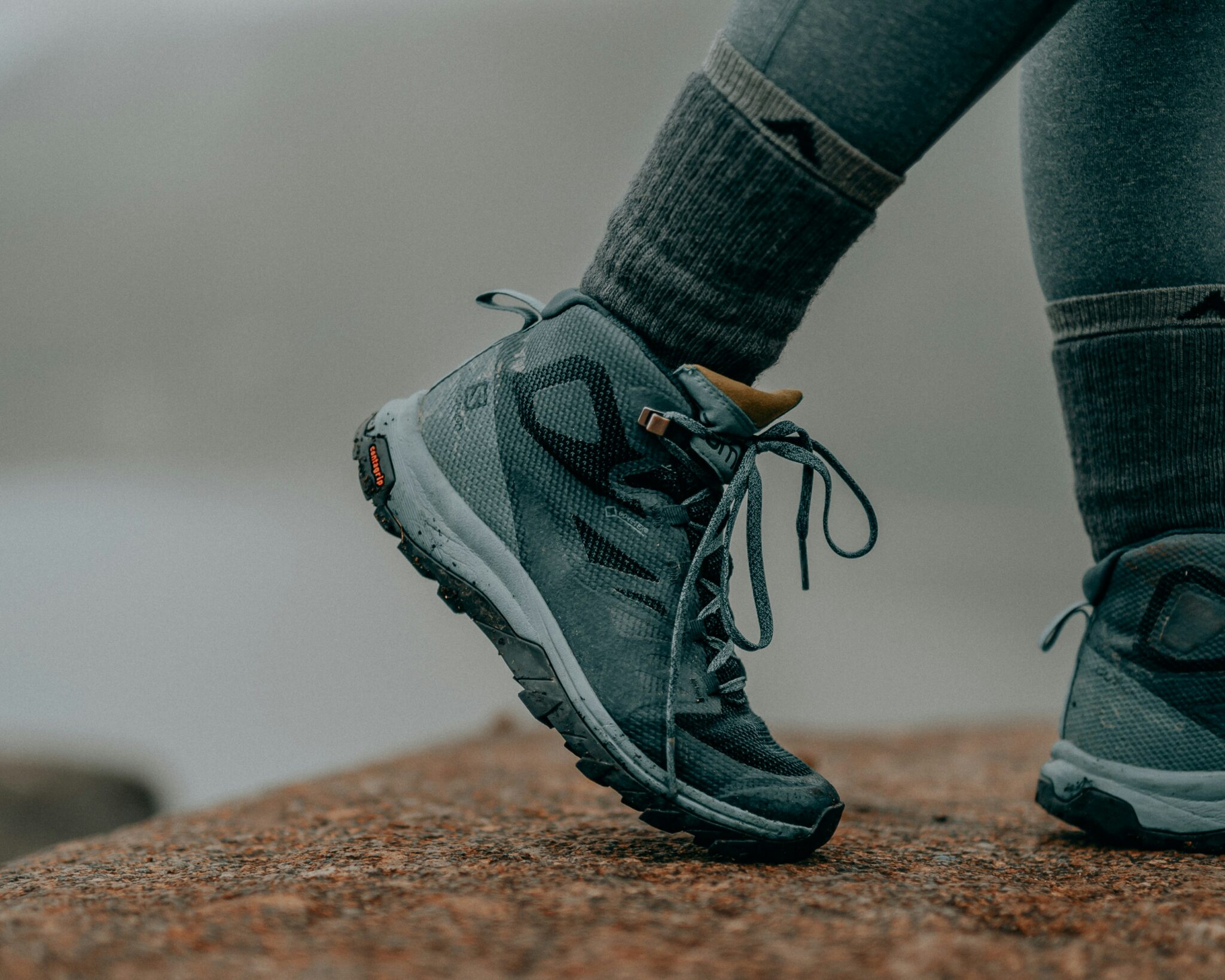
Choose comfortable hiking shoes or boots with good grip, a secure fit and suitable cushioning. The right footwear can improve stability and help you negotiate uneven ground with greater confidence. Replace worn-out soles when traction starts to deteriorate.
Build up your hiking distance gradually
Resist the temptation to tackle a challenging 15km hike if you have only been walking a few kilometres. Increase your distance and elevation gradually, allowing your body time to adapt. Pay attention to how your knees feel later that day and the following morning.
Warm up before you start walking
Spend five to 10 minutes walking gently before increasing your pace. A few controlled leg movements and gentle dynamic exercises can help prepare your muscles and joints for the trail. Avoid forcing painful stretches.
Manage your pack weight
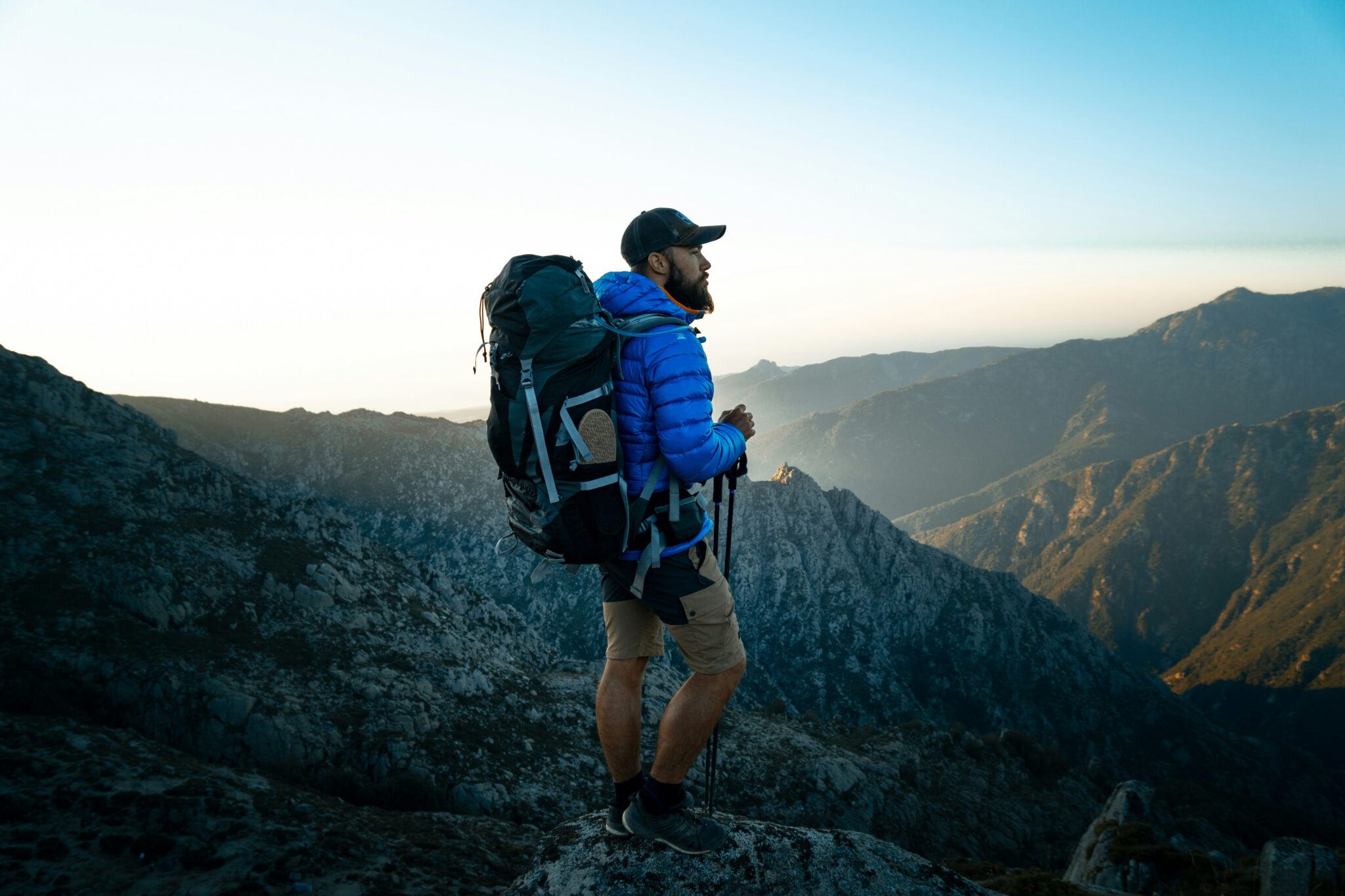
A heavy backpack increases the load your knees must manage with every step. Pack only what you need, distribute the weight evenly and adjust the hip belt so the pack sits comfortably. For longer adventures, consider a lighter pack or a guided pack-free walking tour. For more info on this click here.
Pace yourself and take regular breaks
There is no prize for reaching the summit first. Walk at a comfortable pace, take breaks before fatigue sets in and use flatter sections to recover. If your knee pain increases, shorten the walk or turn back rather than pushing through it.
Know when to seek professional help
Persistent knee pain deserves attention, particularly if it affects your everyday activities or keeps returning on walks. A physiotherapist or doctor can help identify the cause and develop a suitable management plan. Seek urgent medical assessment if you cannot bear weight, your knee becomes severely swollen, hot or red, or it locks or gives way. Stop hiking if pain is worsening rather than trying to walk through it.