Types of fuel used in portable hiking stoves
Do you know the difference?
One of the most important decisions when choosing a portable hiking stove is selecting the right type of fuel.
Different fuels offer varying levels of performance, convenience and efficiency depending on the weather, altitude and length of your trip.
The three main categories are gas, liquid fuel and alcohol, with each suited to different styles of hiking and camping.
Gas
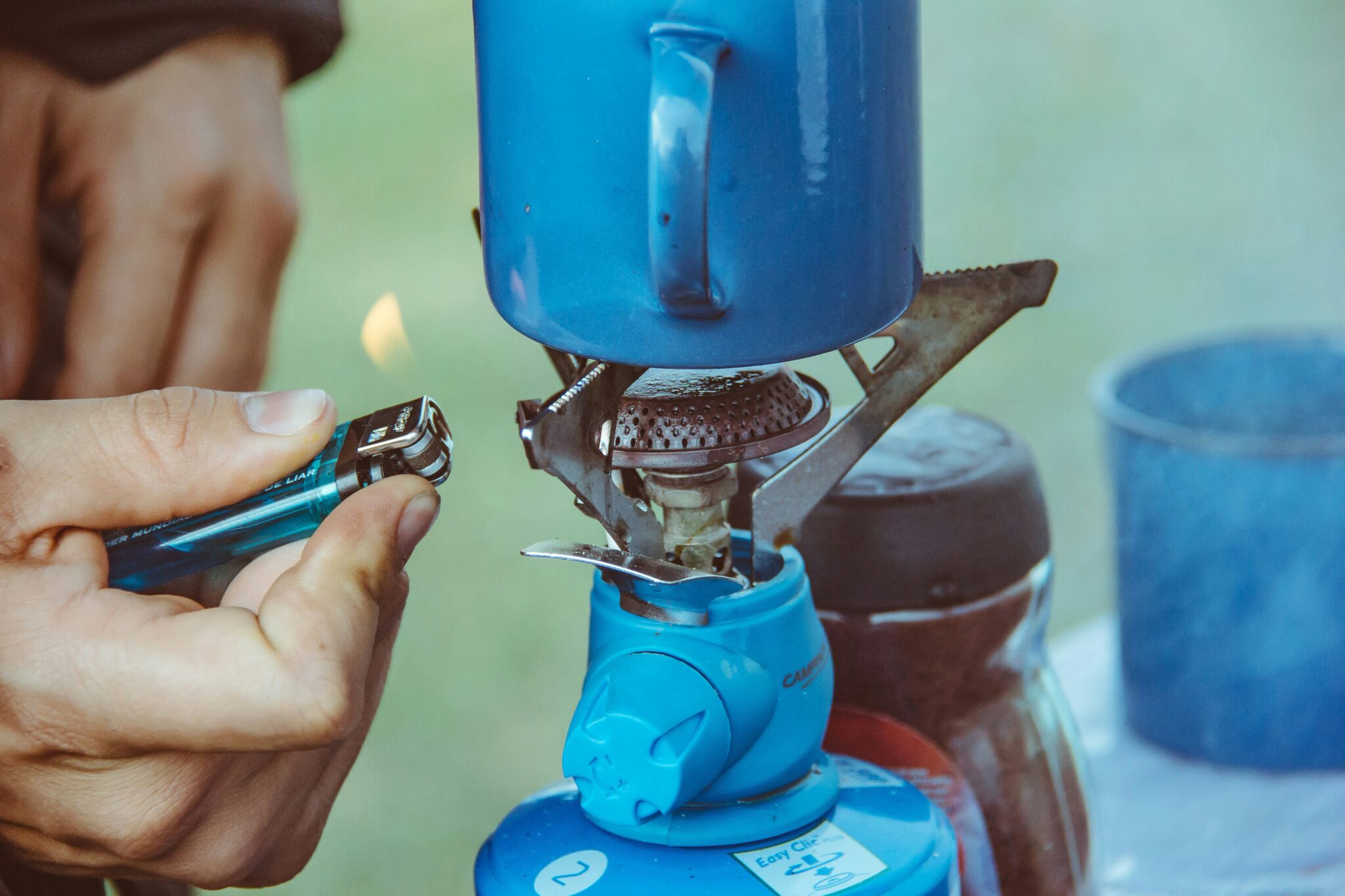
Gas canister stoves are the most popular option for bushwalkers. They’re lightweight, compact and incredibly easy to use. Most threaded gas canisters contain a blend of butane, isobutane and propane.
Standard butane is inexpensive and burns efficiently in mild weather but loses pressure as temperatures approach freezing. Isobutane performs much better in colder conditions, making it a popular choice for three-season hiking.
Propane offers excellent cold-weather performance and maintains pressure even in sub-zero temperatures. Because propane requires higher storage pressure, it is usually blended with butane or isobutane rather than sold on its own in small backpacking canisters.
Liquid Fuel
Liquid fuel stoves burn fuels such as white gas (shellite), kerosene, unleaded petrol or diesel, depending on the model. These stoves are favoured by mountaineers, winter campers and long-distance trekkers because they continue to perform reliably in extreme cold and at high altitudes.
Liquid fuel is also widely available around the world, making these stoves ideal for international expeditions. The trade-off is that they are generally heavier, require priming before use and need occasional maintenance.
Alcohol
Alcohol stoves use methylated spirits (denatured alcohol) as their fuel. They are simple, lightweight and virtually silent, with very few moving parts to fail.
Many ultralight bushwalkers appreciate their reliability and low cost. However, alcohol burns at a lower temperature than gas or liquid fuel, resulting in longer boil times and reduced performance in cold or windy conditions.
When choosing a stove fuel, consider the season, expected temperatures, trip duration and fuel availability. Selecting the right fuel will improve cooking efficiency, reduce carried weight and ensure your stove performs reliably wherever your bushwalking adventure takes you.