Know your packs: From wee daypacks to monster multi-dayers
And what does 'backpack litres' refer to?
Choosing a bushwalking pack largely comes down to how long you’ll be out, how much gear you need to carry and whether you’ll have access to resupply points.
Pack capacity is measured in *litres, and not surprisingly there’s big difference between a small daypack and a full-blown thru-hiking pack.
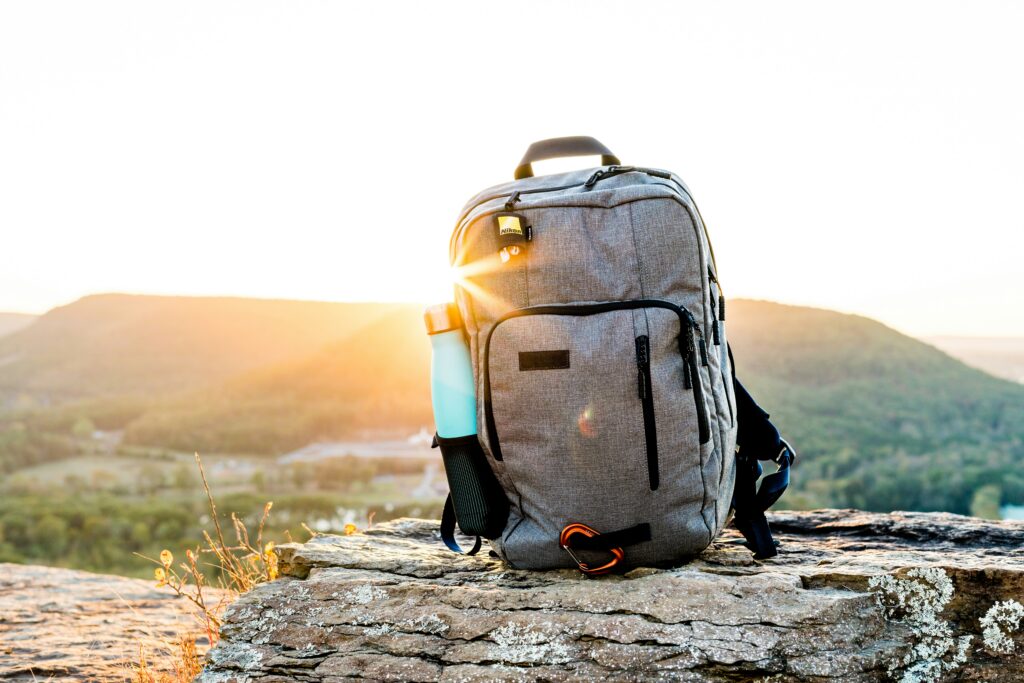
10–20 litres: Small daypacks
Ideal for short walks, urban hikes and easy day trips. They have enough room for water, snacks, a rain jacket, phone, first-aid kit and a few essentials. They’re generally light and comfortable but don’t have the capacity for bulky clothing or overnight gear.
20–30 litres: Bigger daypacks
A versatile choice for full-day hikes, particularly when conditions are unpredictable. There’s room for extra layers, lunch, plenty of water, a camera and safety equipment. Around 25–30 litres is a good sweet spot for many Australian day walkers.
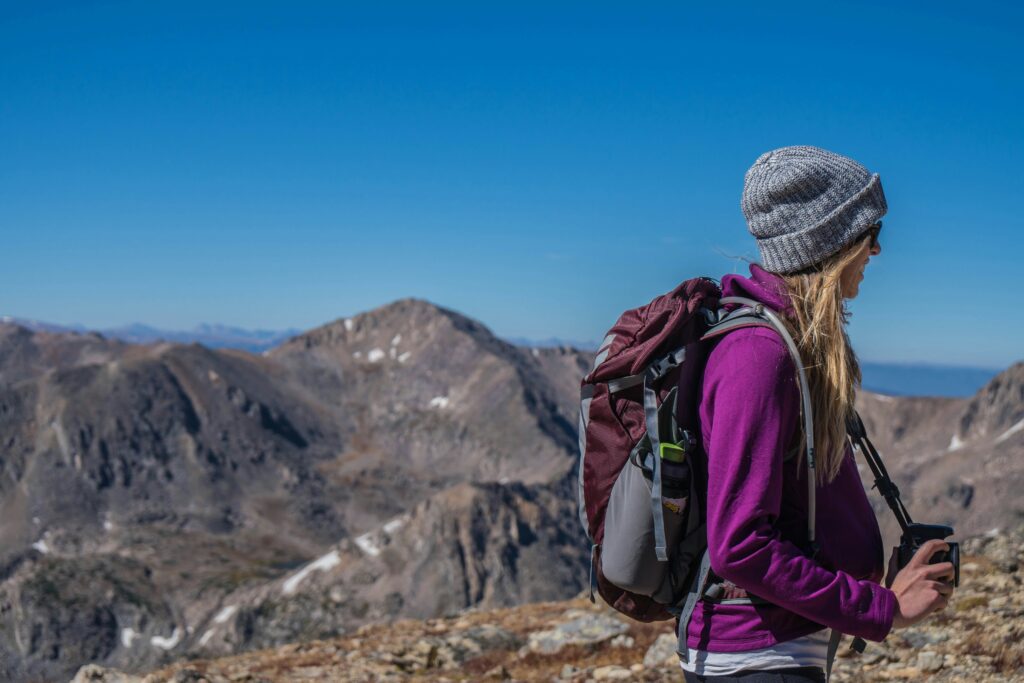
30–40 litres: Overnight and fast-and-light packs
These packs bridge the gap between day hiking and multi-day adventures. They can carry overnight equipment and a lightweight sleeping system, making them suitable for one- or two-night trips if you pack carefully. They’re also popular with experienced hikers who prefer travelling light.
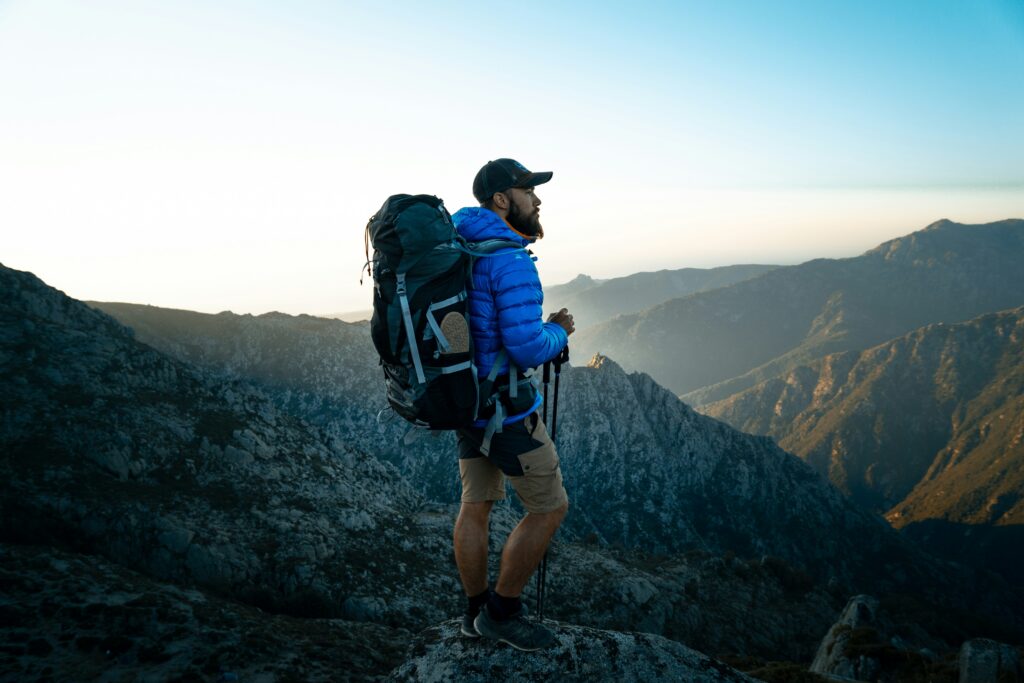
40–55 litres: Multi-day hiking packs
This is the classic capacity for multi-day walks. There’s enough room for a tent, sleeping bag, cooking gear, food, clothing and safety equipment without becoming excessively bulky. Around 50 litres is a great all-round capacity for many multi-day hikes.
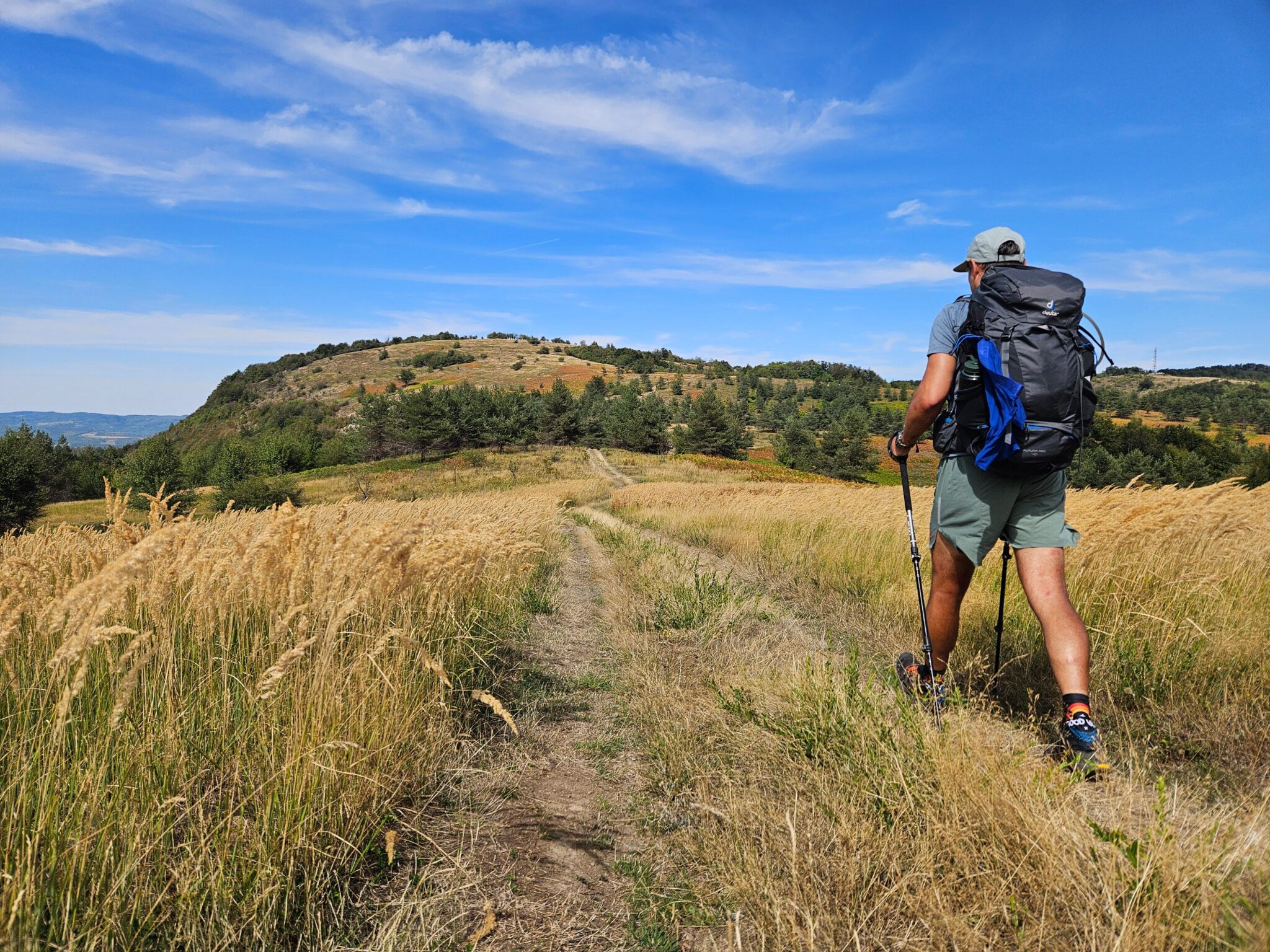
55–70 litres: Expedition-style packs
These are designed for longer trips, remote walks and heavier loads. The extra capacity is useful when you need to carry several days of food, extra equipment or bulky winter gear. The trade-off is greater weight and bulk.
40–60 litres: Thru-hiking packs
Interestingly, thru-hikers don’t necessarily use the biggest packs. Modern ultralight thru-hiking packs commonly sit around 40–60 litres, because hikers carefully select lightweight gear and regularly resupply food. The pack needs to carry everything between resupply points rather than everything for the entire journey.
The golden rule
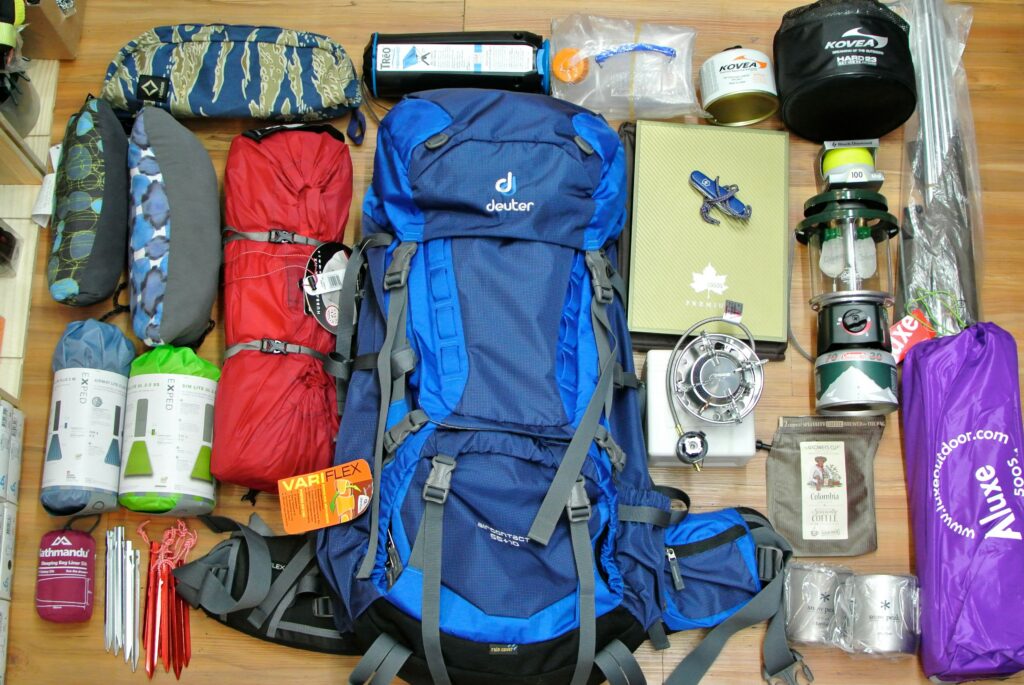
Don’t choose a pack based solely on its litre capacity. Think about your base weight, food and water requirements, trip length and the conditions you’ll encounter. A 40-litre pack can be plenty for an experienced lightweight hiker, while a 60-litre pack might be necessary for someone carrying heavier equipment or travelling in cold conditions.
*What backpack litres actually mean
Backpack litres refer to the bag’s internal capacity – essentially how much gear you can fit inside. A 20-litre daypack, for example, has considerably less room than a 60-litre multi-day pack. Capacity may include the main compartment, lid, front pocket and other storage areas, depending on how the manufacturer measures it.