How to... photograph a sunrise
Make sure you enter our Wilderness Photographer of the Year!
There are few moments in nature as rewarding to photograph as sunrise.
The soft light, dramatic colours and peaceful atmosphere can transform an ordinary landscape into something extraordinary. It also requires patience, planning and a willingness to embrace an early alarm.
Whether you’re capturing mist rising from an alpine valley, golden light spilling across a beach or the first rays illuminating a mountain peak, sunrise offers endless creative opportunities.
If you’re entering the Wilderness Photographer of the Year, presented by Mountain Designs, mastering sunrise photography could help your image stand out from the crowd.
Plan Ahead
Great sunrise images rarely happen by accident. Research your location, know where the sun will rise and scout compositions the day before if possible. Apps that show the sun’s position can help you predict exactly where the light will fall.
Arrive Well Before Sunrise
Aim to be in position at least 30 to 45 minutes before sunrise. Some of the most spectacular colours often appear before the sun breaks the horizon, during the blue and pink twilight.
Watch the Weather
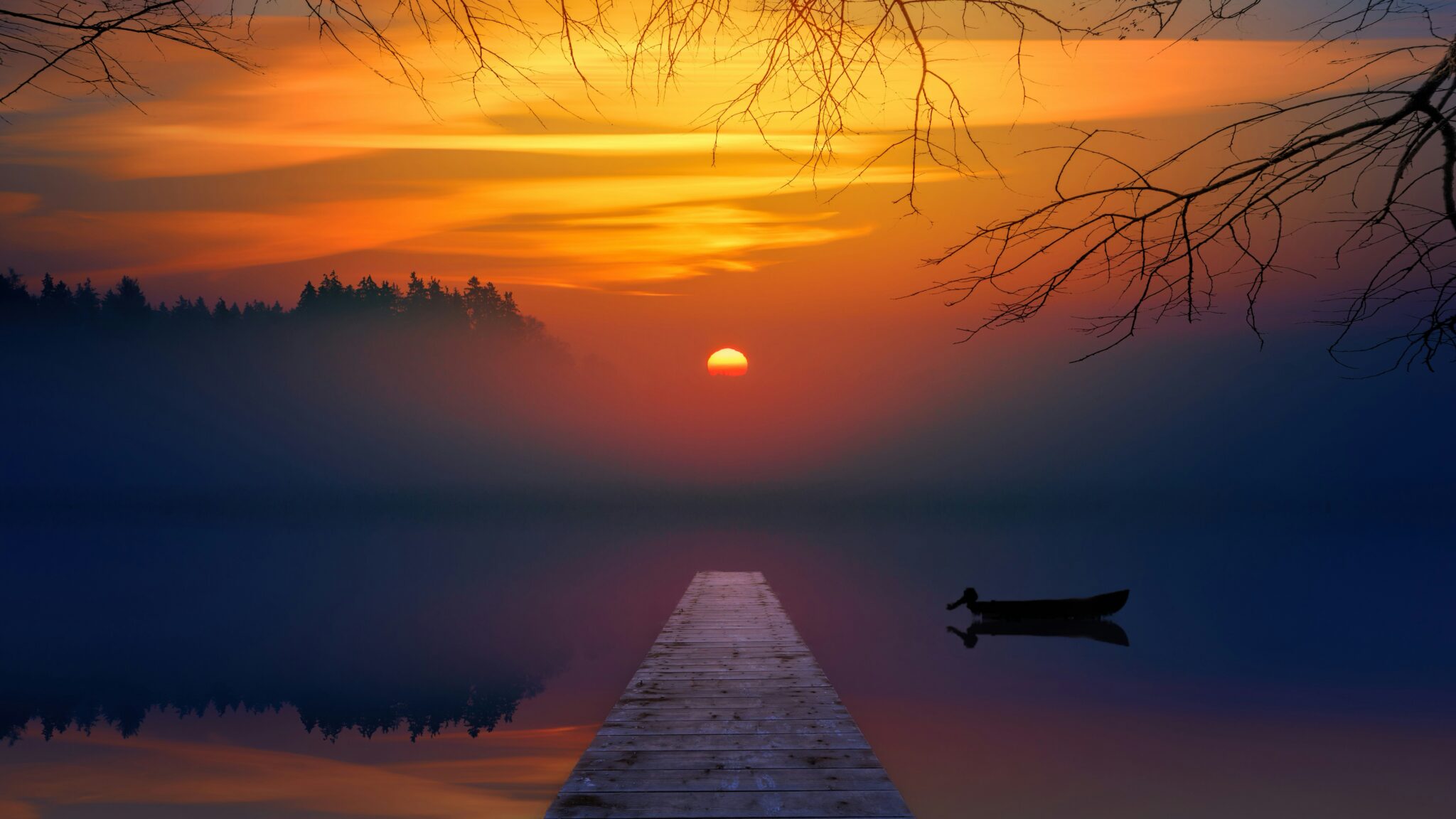
A completely clear sky isn’t always ideal. High clouds often catch the first light and create dramatic reds, oranges and purples. A little mist or low cloud can also add depth and atmosphere.
Use a Tripod
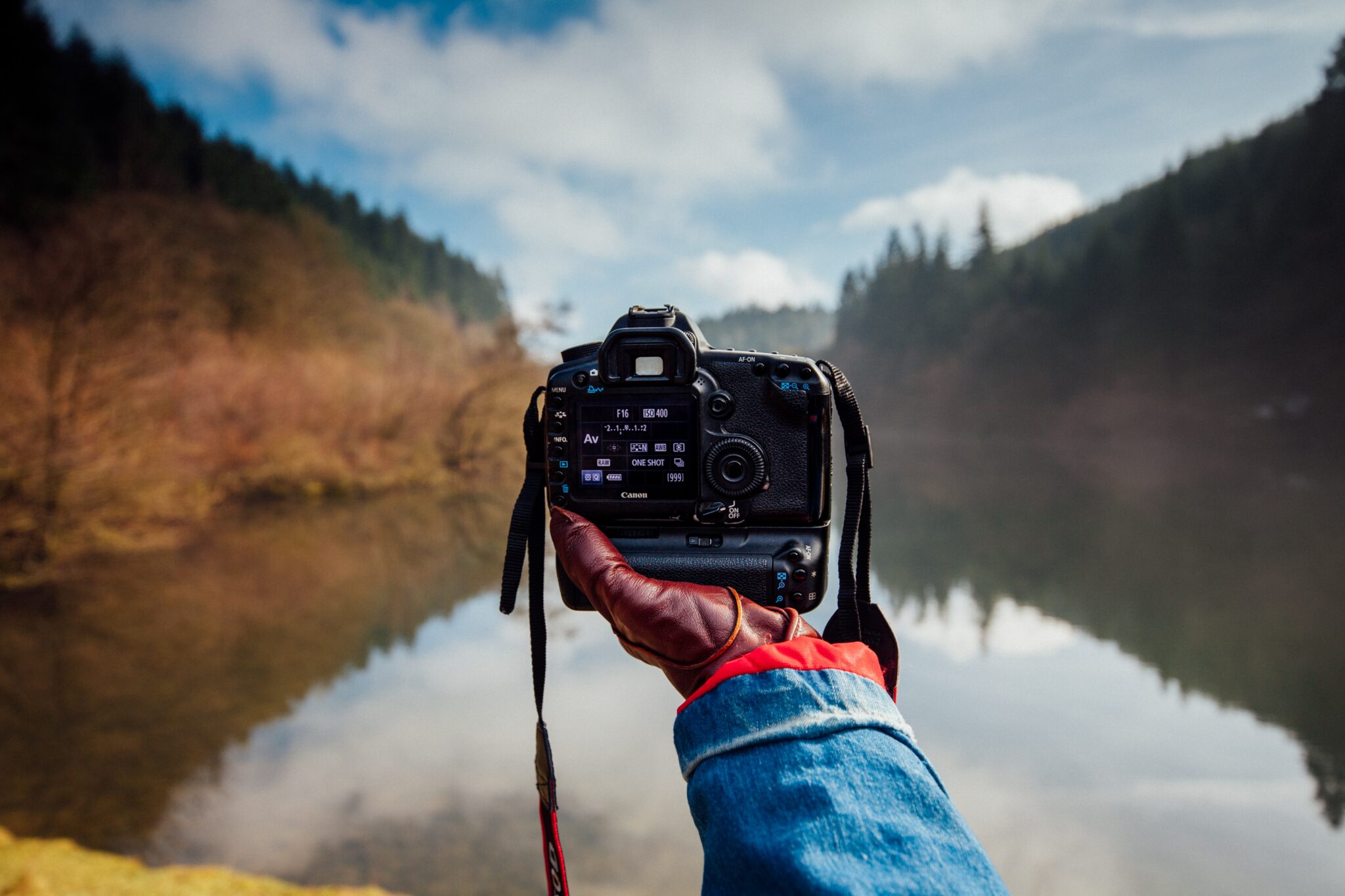
Low light means slower shutter speeds. A sturdy tripod keeps your camera steady, allowing you to use lower ISO settings for cleaner, sharper images.
Shoot in RAW
RAW files retain far more detail than JPEGs, giving you greater flexibility when recovering highlights, lifting shadows and adjusting white balance during editing.
Include a Strong Foreground
A beautiful sky alone isn’t enough. Add interest by including wildflowers, rocks, a winding trail, reflections or an interesting tree to create depth and guide the viewer through the scene.
Don’t Pack Up Too Soon
Many photographers leave once the sun appears, but some of the best light often occurs 10 to 20 minutes afterwards as warm golden light spreads across the landscape.
Experiment with Exposure
Sunrise scenes can have a wide dynamic range. Try exposure bracketing or slightly underexpose to preserve bright highlights while maintaining rich colour in the sky.
Think Beyond Wide Landscapes
While sweeping vistas are popular, sunrise also creates beautiful opportunities for intimate compositions. Look for backlit leaves, glowing grasses, spider webs or wildlife catching the first light of the day.
Tell a Story
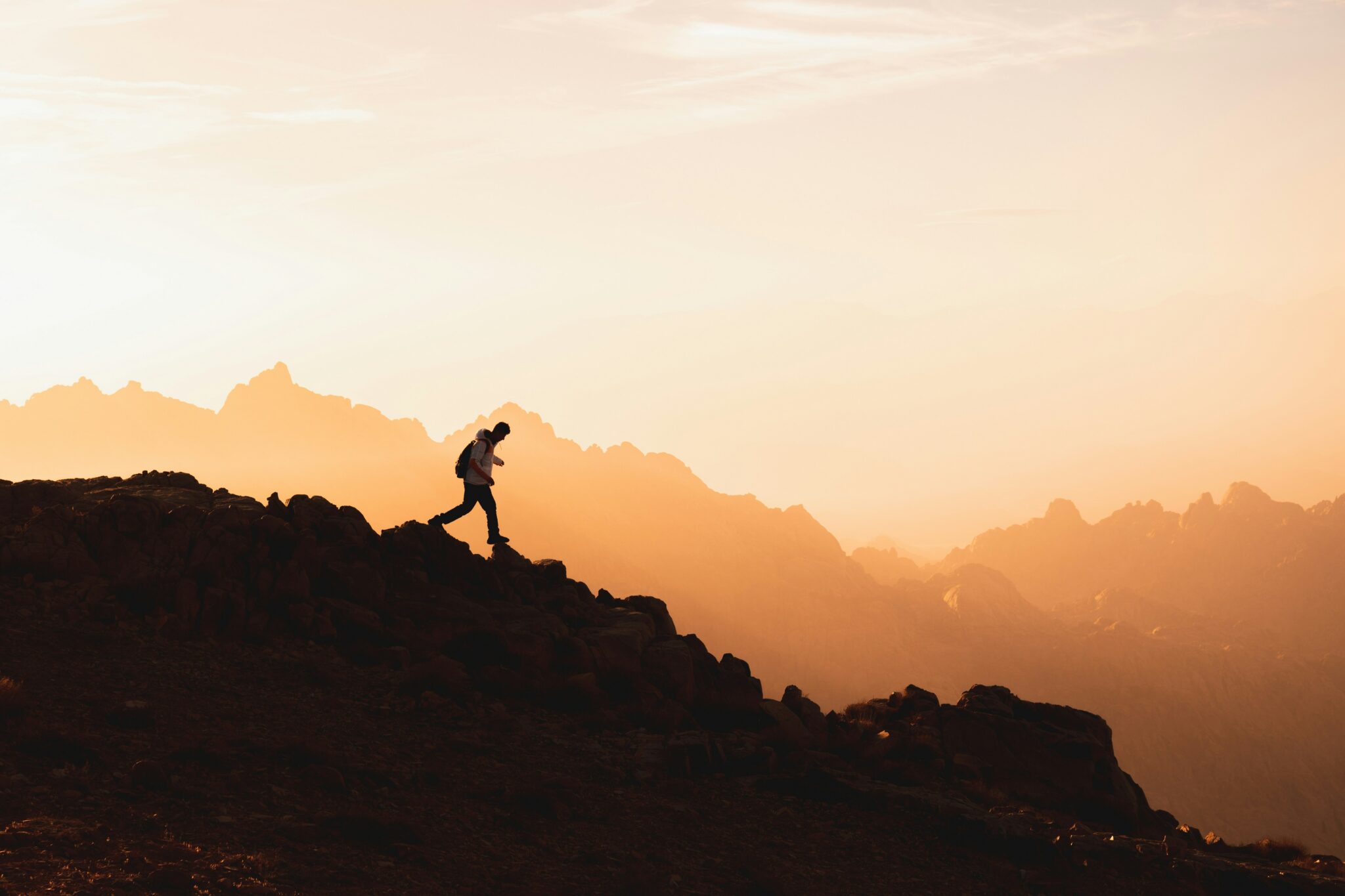
The strongest competition entries often evoke emotion rather than simply recording a scene. A lone hiker, drifting mist or the first sunlight touching a distant summit can create a powerful sense of place.
Want more info? Watch this video.