Wilderness Photographer of the Year judge offers top tips
This man knows his stuff!
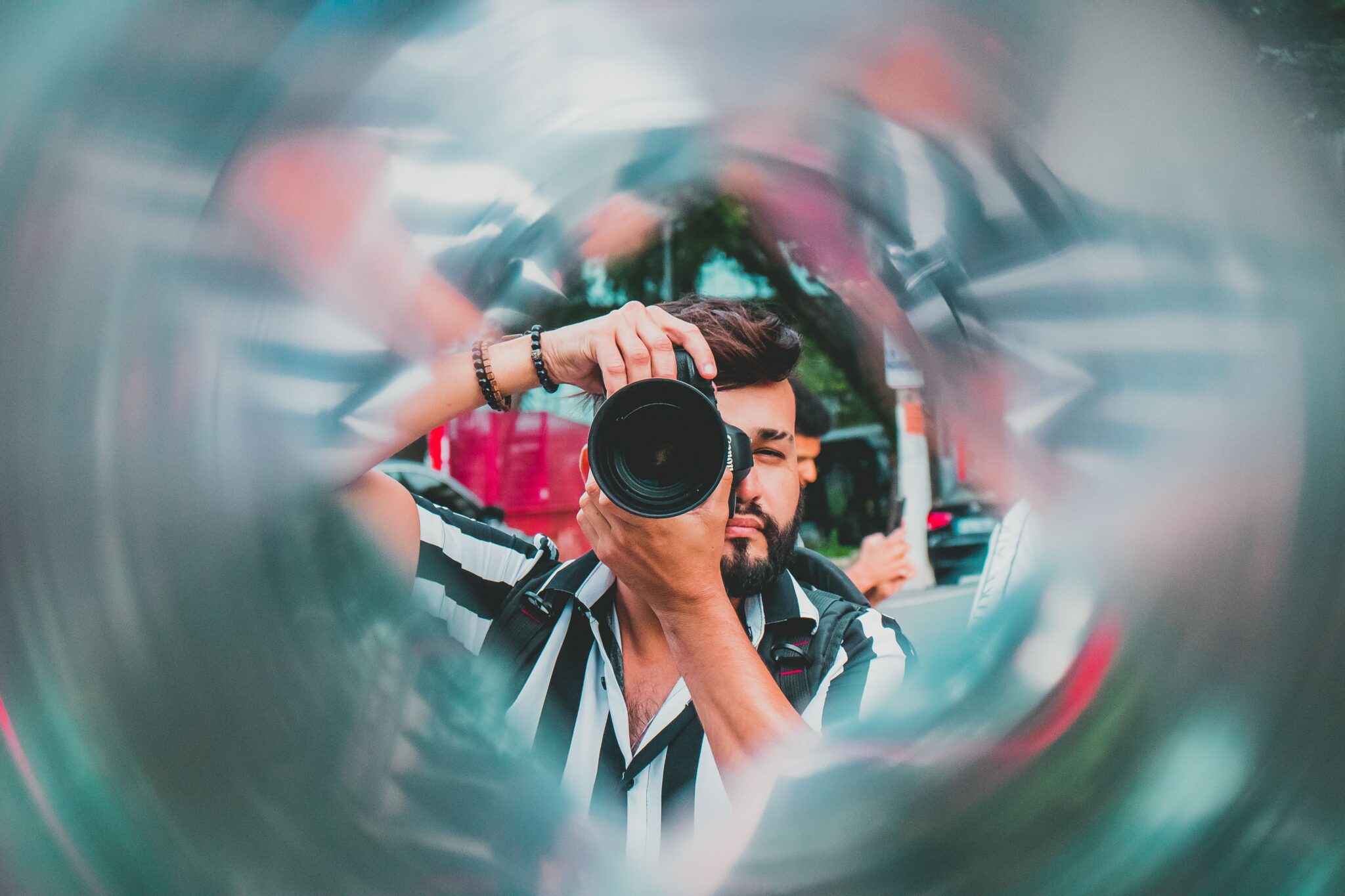
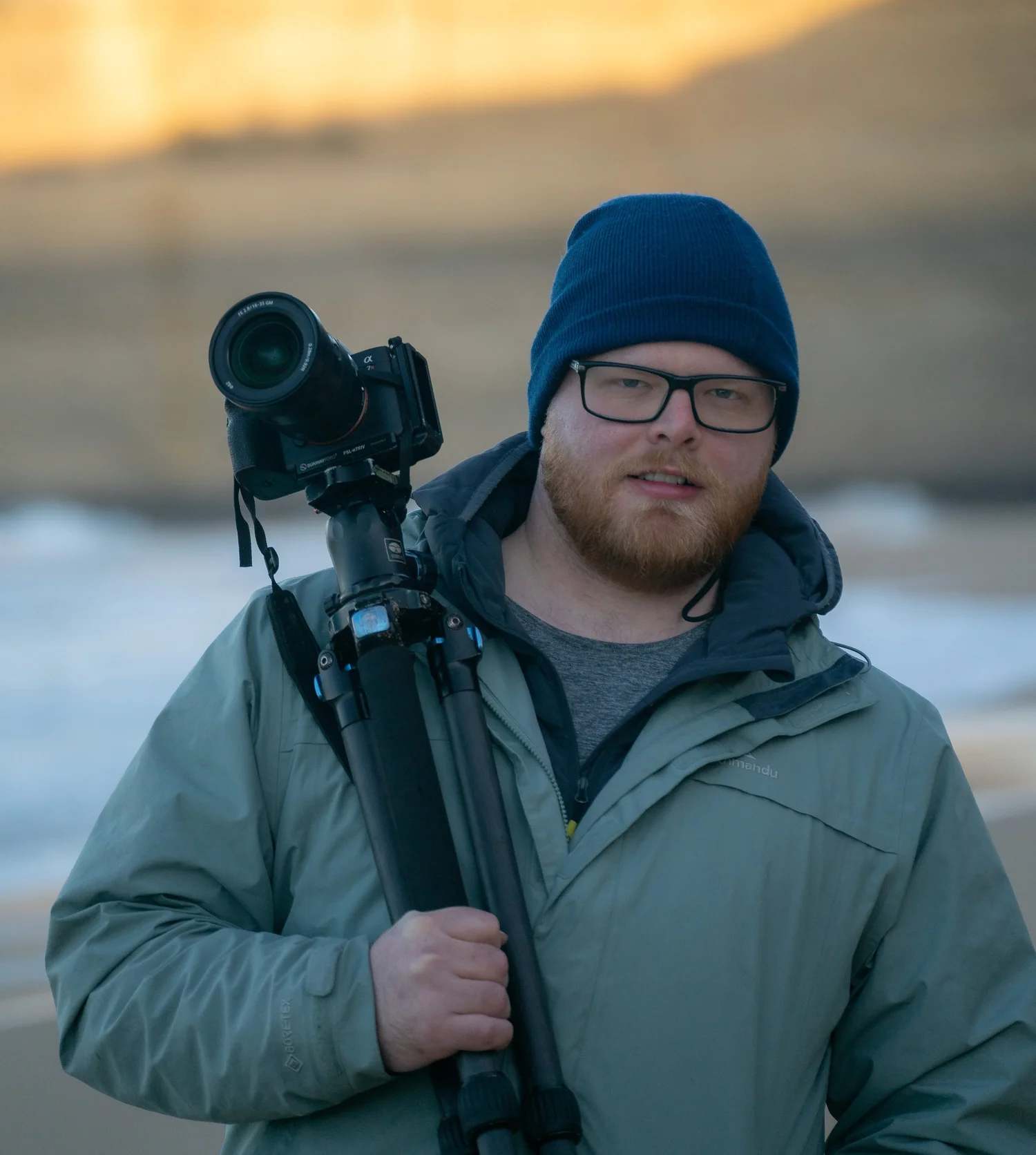
Professional photographer Samuel Markham, one of the judges for this year’s Wilderness Photographer of the Year takes five with Great Walks.
What got you into photography?
Mum and Dad bought a small DSLR kit when I first started high school. I still remember my mum telling us kids, “Don’t put the camera in manual mode, I don’t want you mixing up the settings.” Being the eldest of three, I did the complete opposite.
I jumped straight into manual mode and started exploring every setting I could find. I taught myself how aperture, shutter speed and ISO worked just by experimenting. I wanted to know what every dial and button did, and that process of figuring it out myself was incredibly exciting. That curiosity is really what got me hooked on photography.
Where has your career in photography taken you?
My photography career began in 2011, and since then it has taken me across every state and territory in Australia in pursuit of landscape and wilderness photography. Internationally, photography has taken me to New Zealand, Argentina, Chile, Canada and the United States.
Each destination has offered new landscapes to explore and new perspectives to capture through the lens. Today, I run a full-time landscape photography business, leading workshops across Australia and Internationally. Through these workshops, I teach and mentor other photographers, helping them develop their skills and improve their own photography in the field.
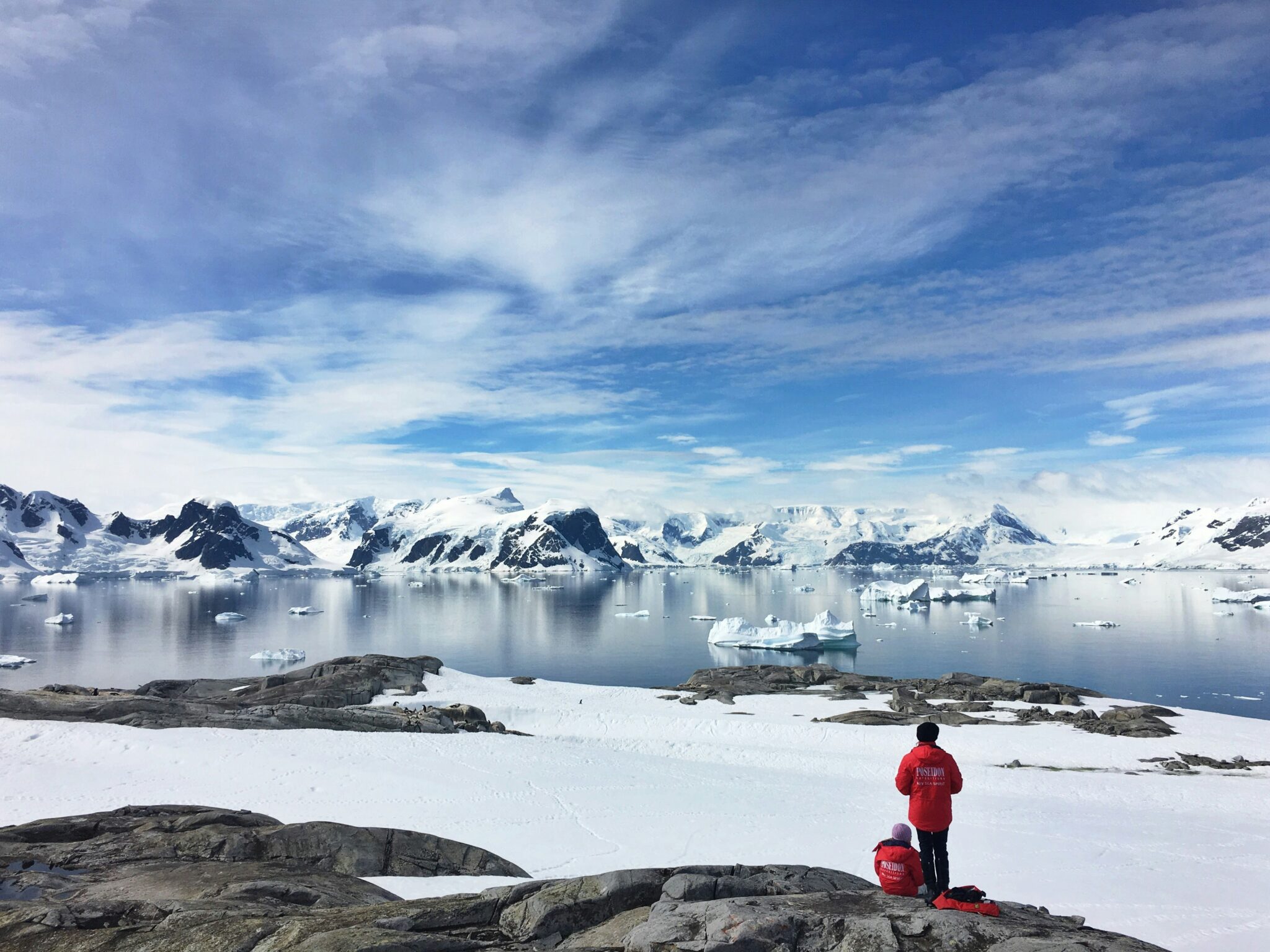
What’s one tip you’d offer someone wanting to photograph clouds and the sky?
Pay attention to the weather and learn how clouds behave before you even pick up the camera. Some of the most dramatic skies happen just before or after a change in weather, so watching forecasts and being willing to head out when conditions look interesting can make all the difference.
Clouds add mood, scale and movement to an image, so patience is key, sometimes it’s about waiting for that brief moment when the light and cloud shapes come together.
What kit would you take with you on a wet day?
On a wet day I like to keep things simple and practical. I always carry a large microfiber towel, which I use to wrap my camera and keep it protected inside my rain jacket when I’m on the move.
It’s lightweight, versatile and doubles as a quick way to dry off the lens or camera body if things get wet. I also make sure I’ve got a good rain jacket, a few spare microfiber towels and a camera bag that is water resistant. Being prepared for wet weather means you can keep shooting confidently, even when conditions aren’t ideal.
What are you looking for in a winning Wilderness Photographer of the Year photo?
An award winning wilderness photograph is one that makes you feel something. It might be a sense of scale, solitude, drama or quiet beauty, but it should capture the spirit of a wild place in a meaningful way. Technical skill is important, but what really stands out is patience, timing and a unique perspective. The best images often remind us just how special and fragile our wilderness areas are.
I’m also drawn to photographs that show a strong sense of place, images that feel authentic and immersed in the landscape rather than staged or overly processed. Often it’s the quieter moments that stand out just as much as the dramatic ones. Soft light breaking through clouds, shifting weather, or subtle details that reveal the character of a location.
Those are the moments that reflect time spent outdoors and a genuine connection to a wild environment. Ultimately, the strongest images tell a story. They transport the viewer into the scene and spark a sense of curiosity or wonder. When a photograph makes you pause and imagine what it felt like to stand there, that’s when you know you have captured something really special.