How to… hike downhill
Without killing your knees!
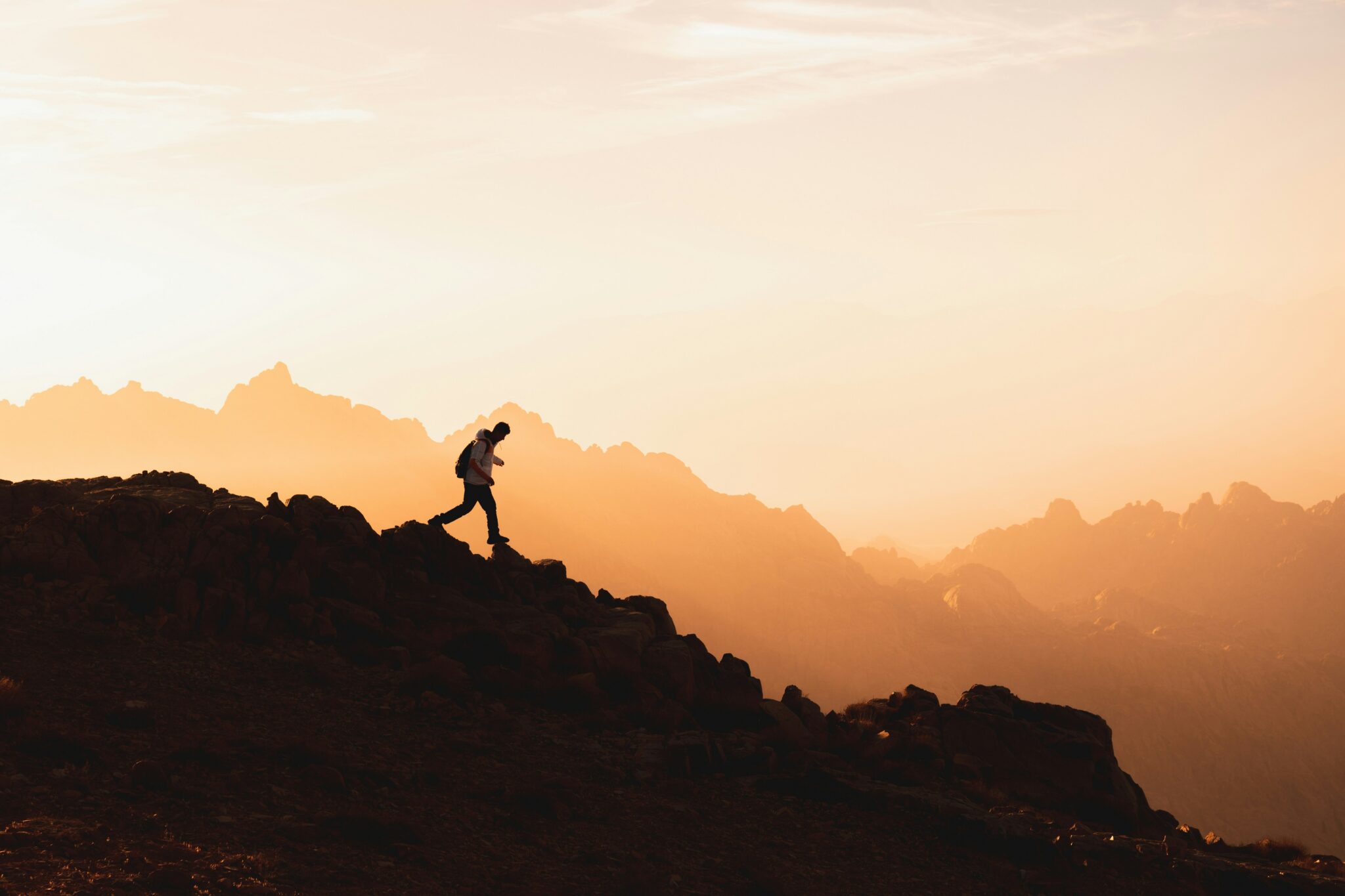
Walking uphill might leave you breathless, but the descent is often where bushwalkers come unstuck.
Steep downhill sections place significantly more stress on your knees, ankles and feet than climbing, while fatigue can make slips and poor decisions more likely. With the right technique, however, descending can be safer, more efficient and far more enjoyable.
Here are 10 tips to help you tackle downhill trails with confidence.
Slow Down
Gravity is not your friend on steep descents. Resist the temptation to rush, particularly on loose gravel, wet rocks or muddy tracks. A controlled pace gives you more time to react to obstacles and reduces the risk of slipping.
Shorten Your Stride
Long steps increase the impact on your knees and make it easier to lose your balance. Instead, take shorter, controlled steps, keeping your feet underneath your body. This provides greater stability and reduces strain on your joints.
Lean Slightly Forward
Many hikers instinctively lean backwards when descending, but this shifts your centre of gravity behind your feet and increases the chance of falling. Instead, keep your body upright or lean very slightly forward from your ankles while maintaining a balanced stance.
Use Trekking Poles Properly
Trekking poles are invaluable on descents. Lengthen them slightly compared to your uphill setting and plant them ahead of you to provide extra points of contact. They help absorb impact, improve balance and reduce the load on your knees.
Watch Where You Step
Rather than staring directly at your feet, scan several metres ahead so you can identify the safest line through rocks, roots and uneven ground. Planning your foot placements in advance helps maintain a smooth rhythm and reduces sudden, awkward movements.
Bend Your Knees
Keep your knees slightly bent as you descend. Locked knees transfer more impact through your joints and make it harder to react to uneven terrain. Soft knees act like natural shock absorbers and improve your balance.
Strengthen Your Legs Before the Hike
Downhill walking relies heavily on your quadriceps to control each step. Regular exercises such as squats, lunges, step-downs and stair walking can improve strength and endurance, making long descents far less punishing.
Choose the Best Footwear
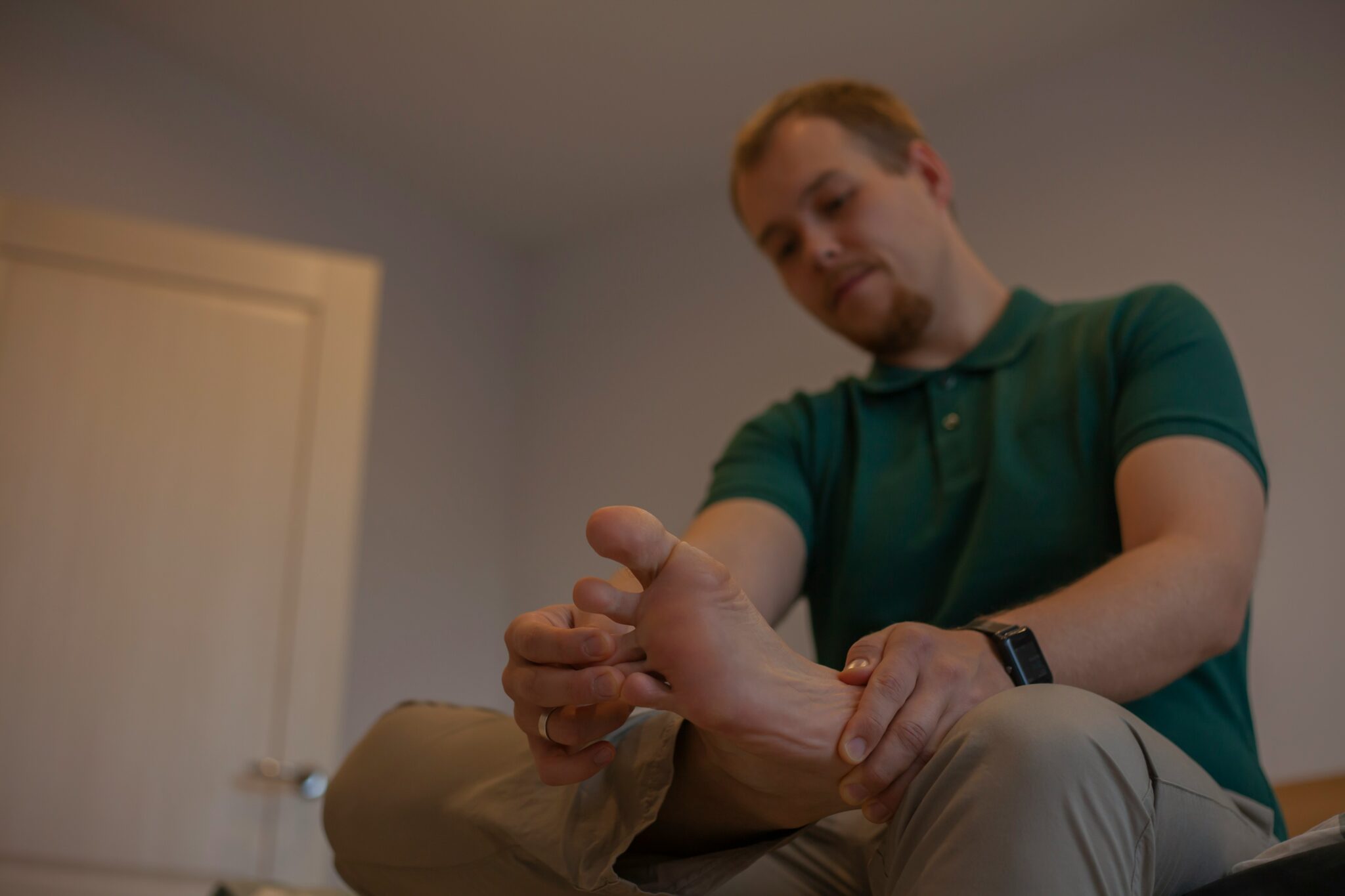
Good hiking boots or trail shoes with reliable grip make a noticeable difference on steep descents. Ensure your footwear fits properly to prevent your toes sliding into the front of the shoe, which can lead to bruised toenails on long downhill sections. Keeping your laces snug also helps prevent foot movement inside the shoe.
Take Breaks on Long Descents
Continuous downhill walking can quickly fatigue your leg muscles, reducing stability and increasing the likelihood of a stumble. Pause occasionally to rest, stretch your calves and quadriceps, and give your knees a chance to recover before continuing.
Stay Focused Until the End
Many accidents happen near the end of a hike when tired hikers lose concentration. Even if the trail appears easier, continue paying attention to your footing, especially when crossing loose rocks, wet timber bridges or uneven steps. A few extra minutes of focus can prevent an injury just before reaching the trailhead.