How to... avoid sore feet on a bushwalk
Practical tips and tricks
After a full day of bushwalking, sore feet are very common because they absorb thousands of impacts with every step.
Long distances, uneven terrain, and carrying a backpack increase the load on your muscles, joints, ligaments and the soles of your feet. Poorly fitting boots, worn-out shoes, inadequate arch support, or wet socks can make discomfort much worse.
Blisters, hot spots, bruised heels and aching arches often develop when your feet experience more stress than they’re used to.
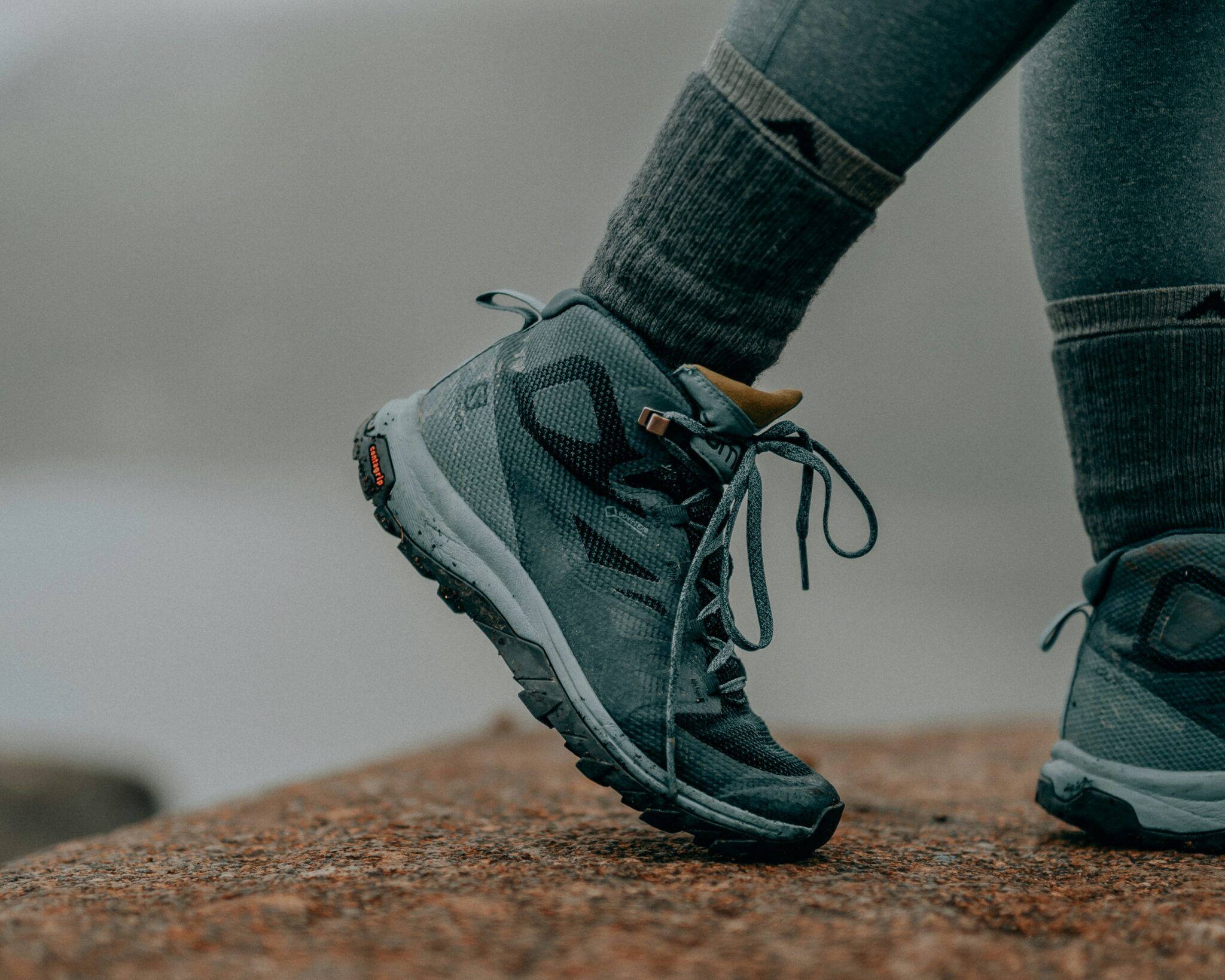
To reduce foot pain on future hikes, preparation and proper footwear are key. Wear hiking boots or trail shoes that fit well, leaving enough room for your toes while providing good heel support. Break in new footwear before attempting a long hike to avoid rubbing and blisters.
Here are some practical tips
- Wear moisture-wicking hiking socks, and consider carrying a spare pair to change into if your feet become wet.
- Trim your toenails before hiking to prevent pressure on your toes during downhill sections.
- Use cushioned insoles or arch supports if you have flat feet or high arches.
- Increase your hiking distance gradually so your feet become stronger over time.
- Take short breaks during long hikes to remove your boots, stretch your feet, and let them cool.
- Stay hydrated, as dehydration can contribute to muscle fatigue and cramping.
- Carry blister prevention products such as moleskin or blister patches, and treat hot spots as soon as you notice them.
- Strengthen your feet and calves with exercises such as calf raises, toe curls, and balancing on one foot.
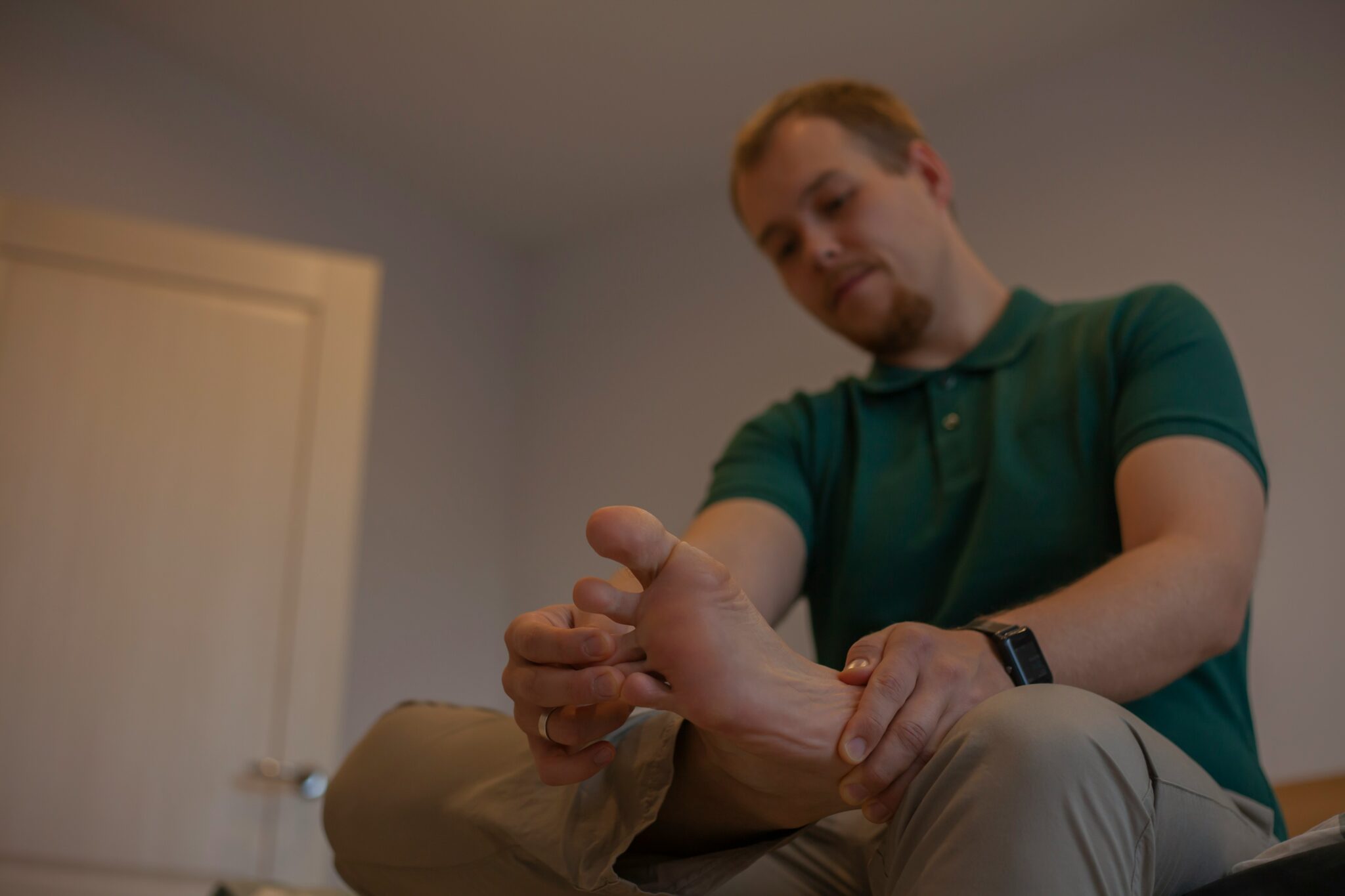
After bushwalking, soak your feet in cool or lukewarm water if they’re swollen, gently stretch your calves and arches, and elevate your feet to reduce swelling. Rolling the sole of your foot over a tennis ball or frozen water bottle can also ease soreness.
If your foot pain is severe, persists for several days, prevents you from walking normally, or is accompanied by significant swelling, numbness, or bruising, it’s a good idea to seek medical assessment, as these symptoms may indicate a stress fracture, tendon injury, or another condition that requires treatment.