How to... avoid back pain on the trail
Properly packed rucksack = happy hiker
Multi-day bushwalking pushes your body in ways that day walks rarely do, and one of the most common issues walkers face is back pain.
Carrying a loaded pack for many hours for consecutive days – or even weeks if you’re on a Camino – can strain your muscles, disrupt your posture and quickly turn an enjoyable adventure into a painful experience. The good news is that most hiking-related back pain is preventable with the right preparation, packing strategy and awareness of your body. By making a few smart adjustments, you can stay comfortable and focused on the trail ahead.
Adjust the fit properly
A poorly fitted backpack is one of the biggest causes of back pain on long hikes. Before you even start walking, take time to dial in the fit.
Tighten the shoulder straps so the backpack sits high on your back, not sagging toward your lower spine.
The bottom of the bag should sit around your lower ribcage, not down on your hips.
Use the chest (sternum) strap to stabilise the load and prevent shifting.
If your pack has load lifter straps (near the shoulders), gently tighten them to pull the pack closer to your body.
A well-fitted pack should feel like an extension of your torso – not something dragging behind you.
Distribute weight correctly
How you pack matters just as much as how much you pack.
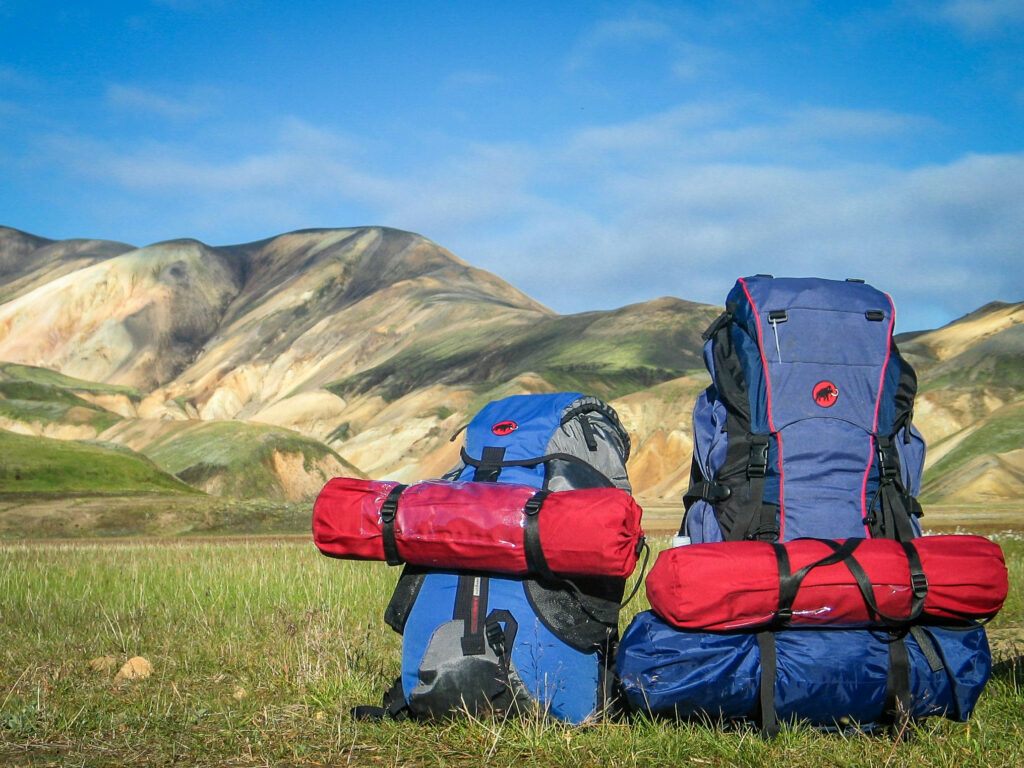
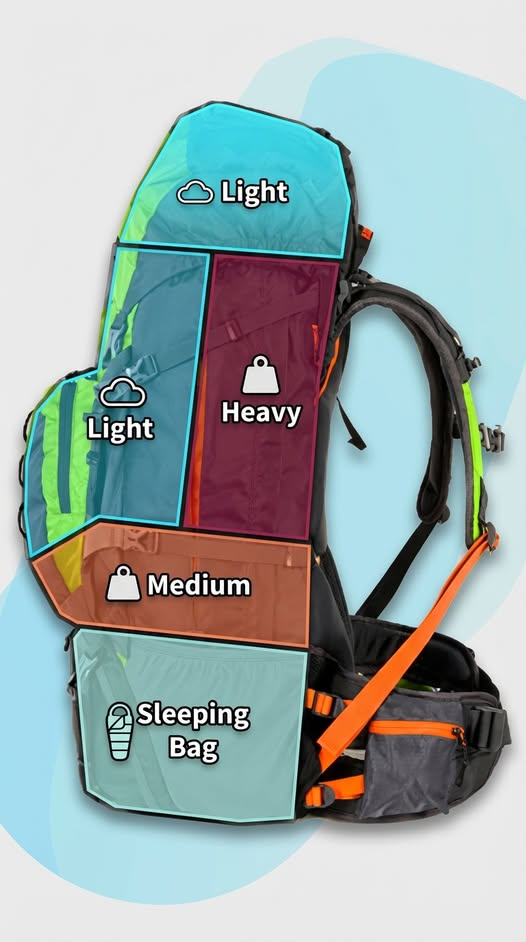
Place heavier items (like food, water, or cooking gear) close to your spine and cantered.
Keep mid-weight items around the middle of the pack.
Store lighter, bulkier gear (like clothing or a sleeping bag) toward the outside or top.
Balance left-to-right evenly to avoid twisting your spine.
Poor weight distribution forces your body to compensate, which leads to fatigue and strain over time.
Use both shoulder straps
It might feel convenient to sling your pack over one shoulder during short breaks, but doing this regularly can create serious imbalance.
Always wear both shoulder straps when walking.
Keep them evenly tightened.
Use the chest strap to stop the straps from sliding outward.
Balanced support keeps your spine aligned and reduces unnecessary stress on one side of your body.
Don’t overload it
Overpacking is one of the fastest ways to develop back pain on a multi-day hike.
Aim to carry no more than 10–15% of your body weight (up to ~20% for experienced hikers).
Regularly reassess your gear and remove non-essentials.
If the pack pulls you backward or forces you to lean forward, it’s too heavy.
Remember: every extra kilogram feels heavier after hours on the trail.

Engage your hips (use the hip belt)
For multi-day hiking, this is critical and often overlooked.
Fasten the hip belt so it sits snugly on your hip bones (not your waist).
Around 60–70% of the pack’s weight should be supported by your hips – not your shoulders
This reduces strain on your back and shoulders significantly.
Your legs are far stronger than your back – let them do the work.
Watch your posture
Your posture can either protect your back or slowly wear it down.
Stand upright with a neutral spine.
Keep your shoulders relaxed, not hunched.
Avoid leaning forward to “fight” the pack weight.
Take shorter, controlled steps – especially on uneven terrain.
Good posture helps distribute load evenly and reduces cumulative strain.
Strengthen and prepare beforehand
Back pain prevention starts before the hike even begins.
Train with a loaded pack in the weeks leading up to your trip.
Focus on core strength (planks, bridges) and leg strength (squats, lunges).
Practice walking with proper posture and pacing.
Conditioning your body makes a huge difference in how it handles sustained load.
Choose the right backpack
Not all backpacks are created equal – especially for multi-day hikes. Look for:
Adjustable torso length to match your body.
Padded shoulder straps and a breathable back panel.
A supportive hip belt.
Internal frame support for better weight distribution.
A properly designed pack reduces strain and improves overall comfort across long distances.
If you’re already feeling pain
Don’t ignore early warning signs.
Lighten your load immediately if possible.
Adjust your pack fit and posture.
Try gentle stretches like forward folds or spinal twists.
Rest longer if needed.
If pain persists or worsens, it may indicate muscle strain or a condition like lower back pain that could require proper treatment.