How to... hike in your 60s & beyond!
Don’t let your age get in the way of a great walk!
Great Walks offers 10 tips for bushwalking in your 60s and beyond.
Turning 60 or 70 doesn’t mean hanging up your bushwalking boots, in fact it’s the perfect time to explore the outdoors! You may have more time, a deeper appreciation for nature and the wisdom to know that the best journeys aren’t about speed – they’re about experience. Hiking in your 60s and beyond can be incredibly rewarding if you approach it with a bit of planning and a dash of commonsense. Here are 10 practical tips to help you keep enjoying the trail for many years to come.
1. Start Slower Than Your Enthusiasm Wants You To
Your mind might still think you’re 35, but your joints sometimes need a gentle reminder that a steady start is wiser. When beginning a hike, take the first 15 minutes at a relaxed pace. This gives muscles and joints time to warm up and reduces the chance of strains. Think of it as easing into the adventure rather than charging into it.
2. Strength and Balance Matter More Than Ever
One of the best things you can do for hiking longevity is to maintain strength and balance. Simple exercises like squats, step-ups, and balance drills can make a big difference on uneven trails. Strong legs help with climbs and descents, while good balance reduces the risk of trips and falls. A little preparation at home can make the trail feel much friendlier.
3. Invest in Comfortable Footwear
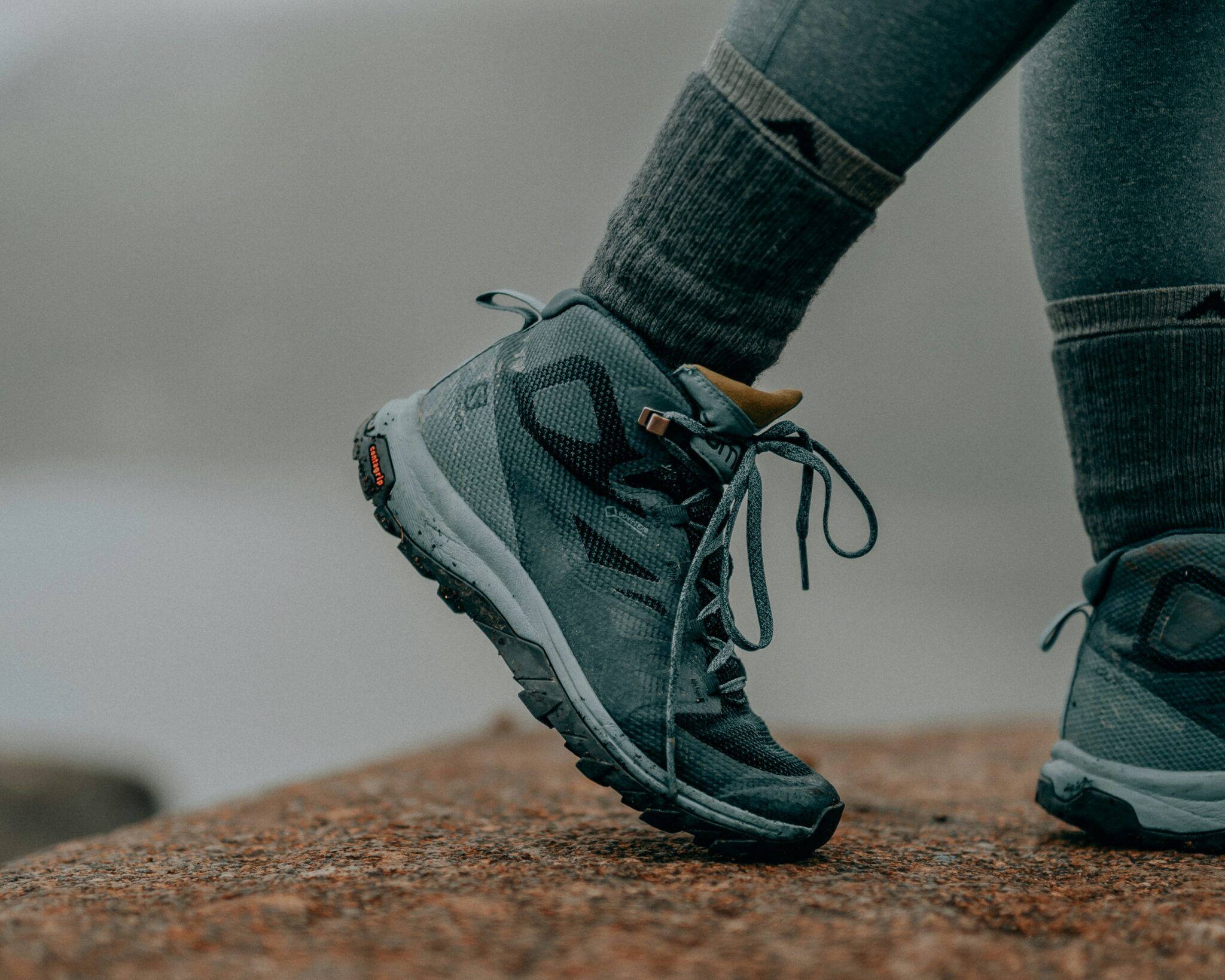
If there is one piece of gear worth spending money on, it’s your boots or trail shoes. Look for something supportive with good grip and cushioning. Feet can change over time, so a shoe that worked 10 years ago may not be ideal today. Take the time to try different options and make sure they’re well broken in before heading out on a longer hike.
4. Trekking Poles Are Your Secret Weapon
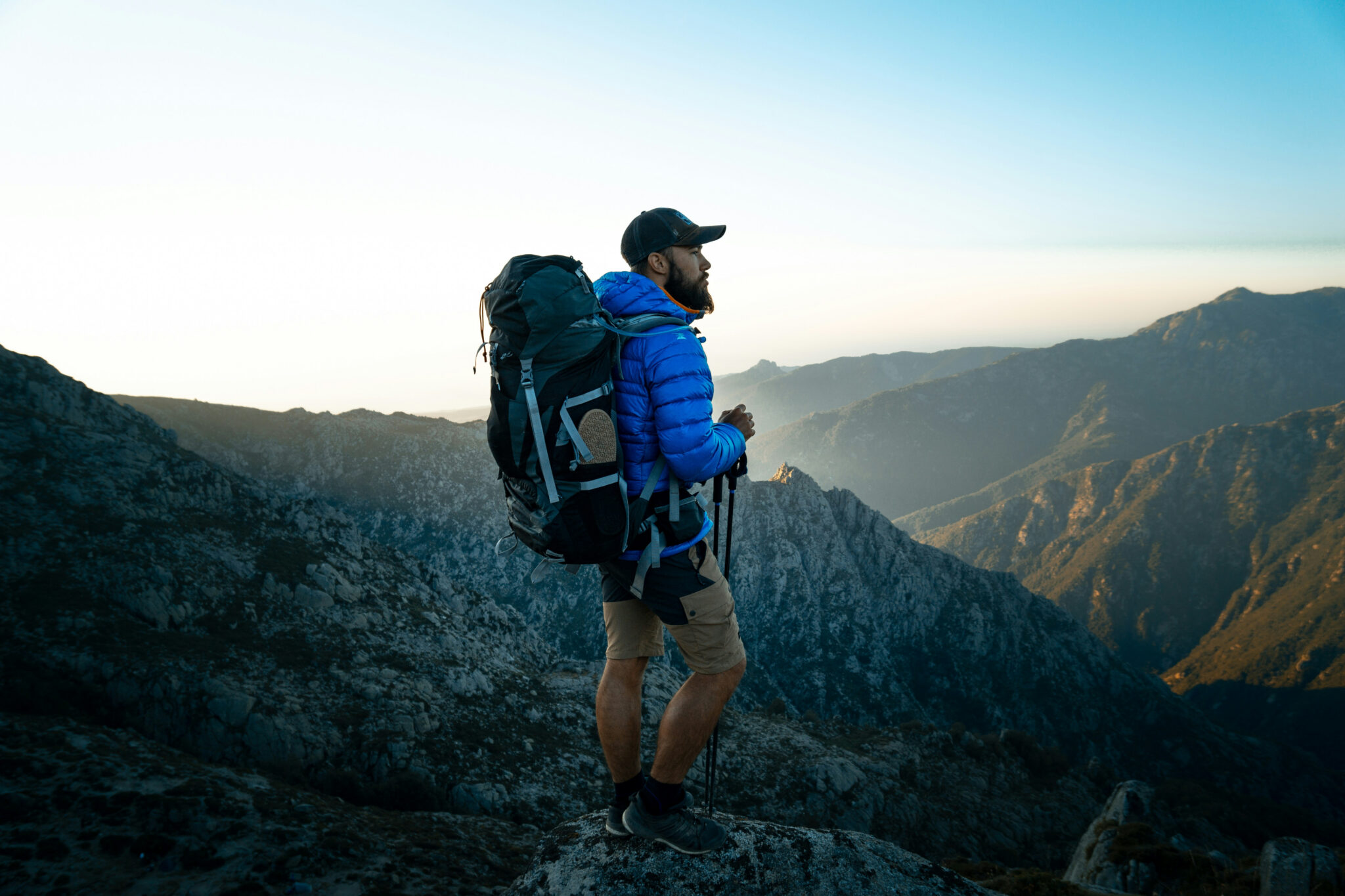
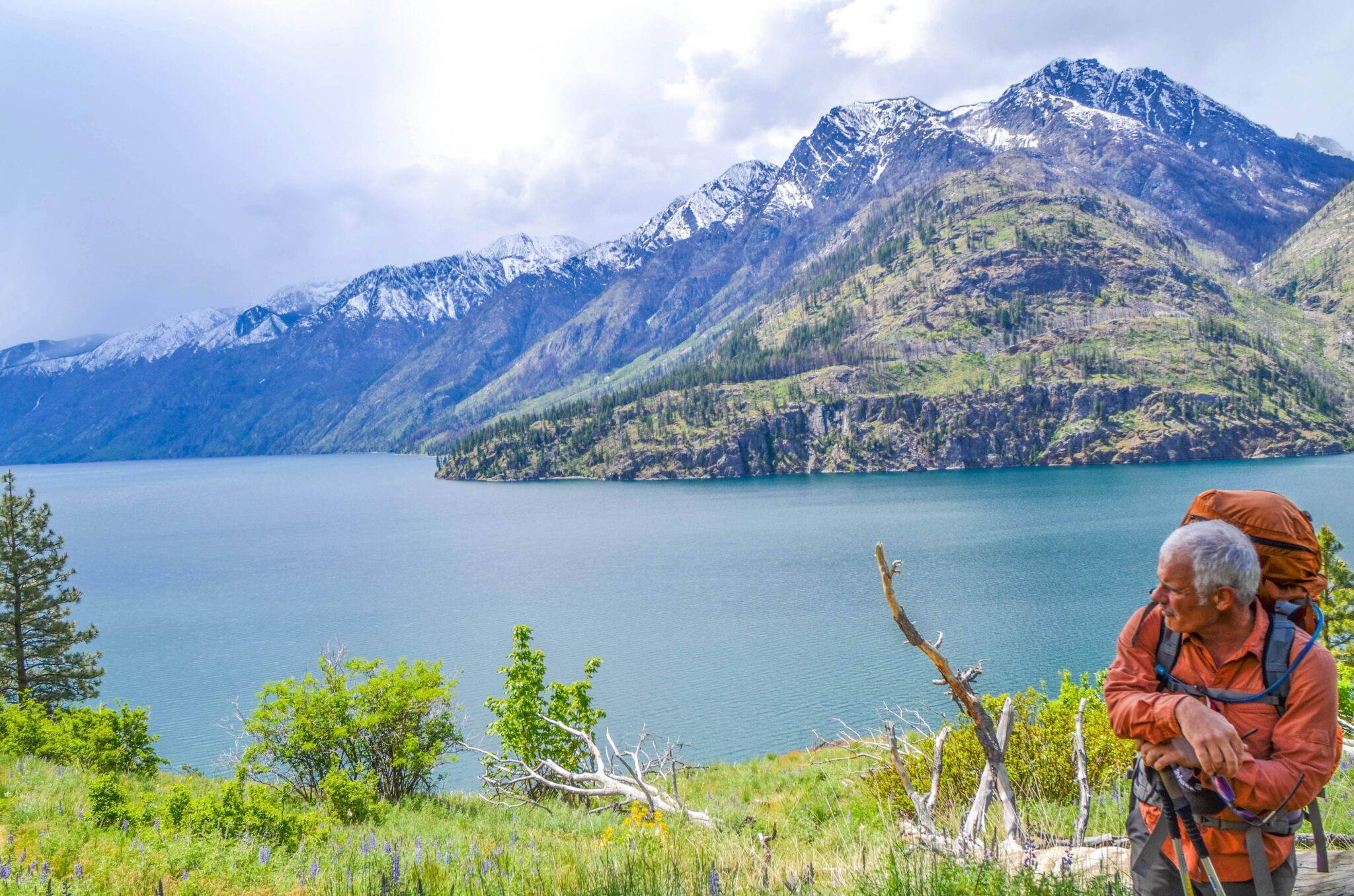
Many hikers discover in their 60s that trekking poles are not just helpful – they’re brilliant. They reduce pressure on knees, improve balance, and help distribute effort across your upper body. They’re especially useful on steep descents or rocky terrain. Think of them as four-wheel drive for your body.
5. Choose Trails That Match the Day
There’s no rule that says every hike has to be epic. Some of the most enjoyable walks are shorter routes through beautiful landscapes. Look for trails with gradual elevation, good footing, and plenty of scenic spots to pause. Remember that enjoyment comes from the journey, not the mileage.
6. Pack Lighter, But Smarter
Carrying unnecessary weight can turn a pleasant hike into hard work. In your 60s, efficiency becomes your friend. Bring the essentials: water, snacks, a light rain jacket, sun protection, and a small first-aid kit. A comfortable backpack with good straps will also help distribute the load.
7. Stay Hydrated and Fuelled
Energy levels can dip more quickly if you forget to eat or drink. Small snacks like nuts, fruit, or muesli bars can keep your energy steady. Drinking water regularly is equally important, even if you don’t feel thirsty. Think of food and hydration as fuel that keeps your engine running smoothly.
8. Listen to Your Body
One of the advantages of experience is knowing when to push and when to pause. If something feels sore, tight, or unusually tired, take a break. Stretch, enjoy the view, and give your body time to recover. There’s no medal for finishing a hike while miserable. A comfortable pace ensures you’ll be eager to hike again tomorrow.
9. Don’t Forget Recovery
What you do after a hike can matter just as much as the hike itself. Gentle stretching, a warm shower, and a good night’s sleep help muscles recover. Some hikers also find light activity the next day – like a walk around the neighbourhood – keeps stiffness away. Treat recovery as part of the adventure rather than an afterthought.
10. Keep the Joy in the Journey
Perhaps the greatest advantage of hiking in your 60s is perspective. You’re not racing anyone. You can stop to watch birds, admire wildflowers or simply sit on a rock and listen to the wind through the trees. The trail becomes less about distance and more about connection – with nature, with friends, and with yourself.