What to look for in a sleeping mat
Tips that will take you from A to Zzzzzz
After a long day on the trail, a good night’s sleep can make all the difference.
While many bushwalkers focus on choosing the right sleeping bag, your sleeping mat plays an equally important role. It cushions your body, insulates you from the cold ground and helps you wake up refreshed for another day of walking.
The best hiking mats strike a balance between comfort, weight, warmth and durability, with the ideal choice depending on where and when you plan to hike. Before investing in a new mat, here are 10 important features to consider.
10 Things to Look for in a Hiking Sleeping Mat
R-Value
A mat’s R-value measures how well it insulates you from the cold ground beneath. The higher the number, the warmer the mat. For summer adventures, an R-value of around 1-2 is usually sufficient, while shoulder seasons call for 3-4. If winter camping or alpine hikes are on the agenda, look for an R-value of 5 or higher. Remember, even the warmest sleeping bag can’t stop heat escaping into the ground if your mat isn’t up to the job.
Weight
If you’re carrying everything on your back, every gram matters. Ultralight mats can weigh less than 500g, helping to reduce fatigue over long distances. However, shaving weight often means sacrificing a little comfort or durability, so aim for a balance that suits the type of hiking you enjoy.
Packed Size
Bulky gear quickly fills a backpack. Modern inflatable mats pack down to about the size of a drink bottle, leaving valuable space for food, clothing and other essentials. If you’re tackling multi-day walks, a compact mat can make packing much easier.
Comfort
This is where personal preference comes into play. Thickness, width and internal construction all affect how comfortable a mat feels. Side sleepers generally appreciate thicker mats that cushion hips and shoulders, while restless sleepers may prefer a wider model to stop them rolling onto the ground at 2am. (The rocks are rarely sympathetic.)
Length
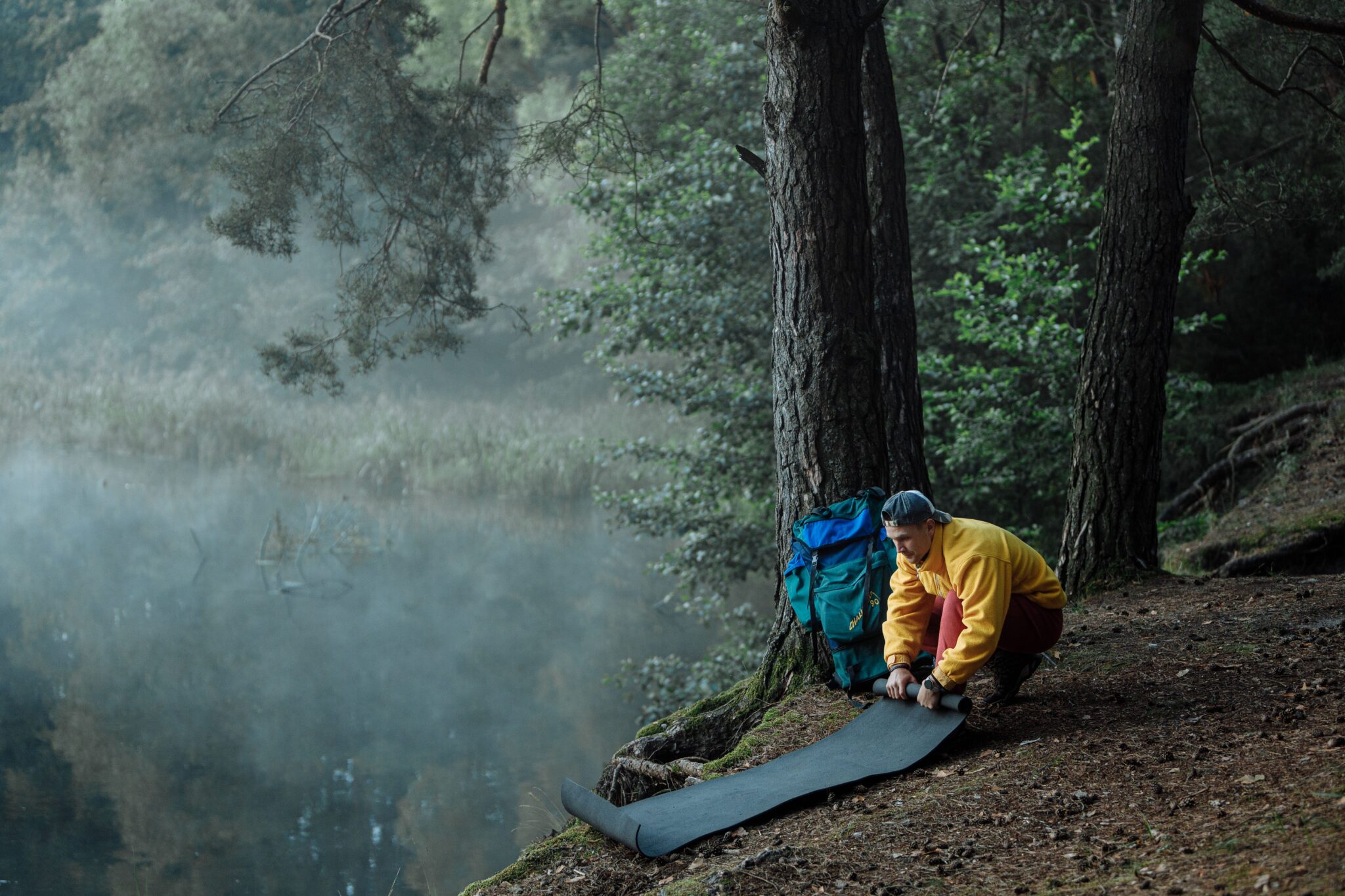
Full-length mats provide support from head to toe and are the most comfortable option for most walkers. Three-quarter-length mats save weight and space, with many hikers simply placing their backpack under their feet. It’s a clever trick, provided your backpack isn’t full of cooking pots.
Inflation Style
You’ll typically choose between closed-cell foam, self-inflating and inflatable air mats. Foam mats are virtually indestructible but bulkier. Self-inflating mats offer a good compromise between comfort and convenience, while inflatable mats provide the greatest comfort-to-weight ratio. Many now include inflation sacks or built-in pumps, saving you from becoming light-headed before bedtime.
Durability
Bush camps aren’t always soft grassy meadows. Sharp sticks, rocks and rough ground can quickly damage lightweight fabrics. Look for ripstop materials, reinforced construction and quality valves if you regularly venture into rugged terrain. Carrying a small repair kit is also worthwhile, just in case.
Noise
Some ultralight inflatable mats have earned a reputation for sounding like a packet of crisps every time you roll over. If you’re a light sleeper—or camping close to friends who value their sleep, seek out mats made from quieter fabrics.
Ease of Deflation
Packing up should be quick and painless, especially on cold mornings when the coffee is calling. Large, one-way valves make inflation easier and allow air to escape rapidly when it’s time to pack away. Nobody wants to wrestle with a stubborn mat before breakfast.
Value for Money
The cheapest mat isn’t always the best investment. Consider comfort, warmth, durability, packed size and warranty alongside the price tag. Spending a little more on a quality sleeping mat can pay dividends over years of hiking, delivering countless nights of better sleep and making every kilometre the next day feel just that little bit easier.