10 tips for using a food dehydrator
A great way to save $$ on hiking food
Dehydrating your own hiking food is a great way to create lightweight, tasty meals while saving space in your pack. A dehydrator removes moisture from food, reducing weight without necessarily sacrificing flavour or nutrition.
You can dry everything from fruit and vegetables to mince, pasta sauces and complete meals, then simply rehydrate them on the trail. But there’s a little more to successful dehydrating than spreading food on a tray and switching on the machine. Follow these tips and your homemade trail meals should be lighter, tastier and easier to prepare.
Start with fresh ingredients
The better your ingredients, the better your dehydrated food will taste. Use fresh fruit and vegetables, lean meat and good-quality herbs and spices. Avoid food that is already past its best, as dehydrating won’t improve its flavour or quality.
Cut everything into similar sizes
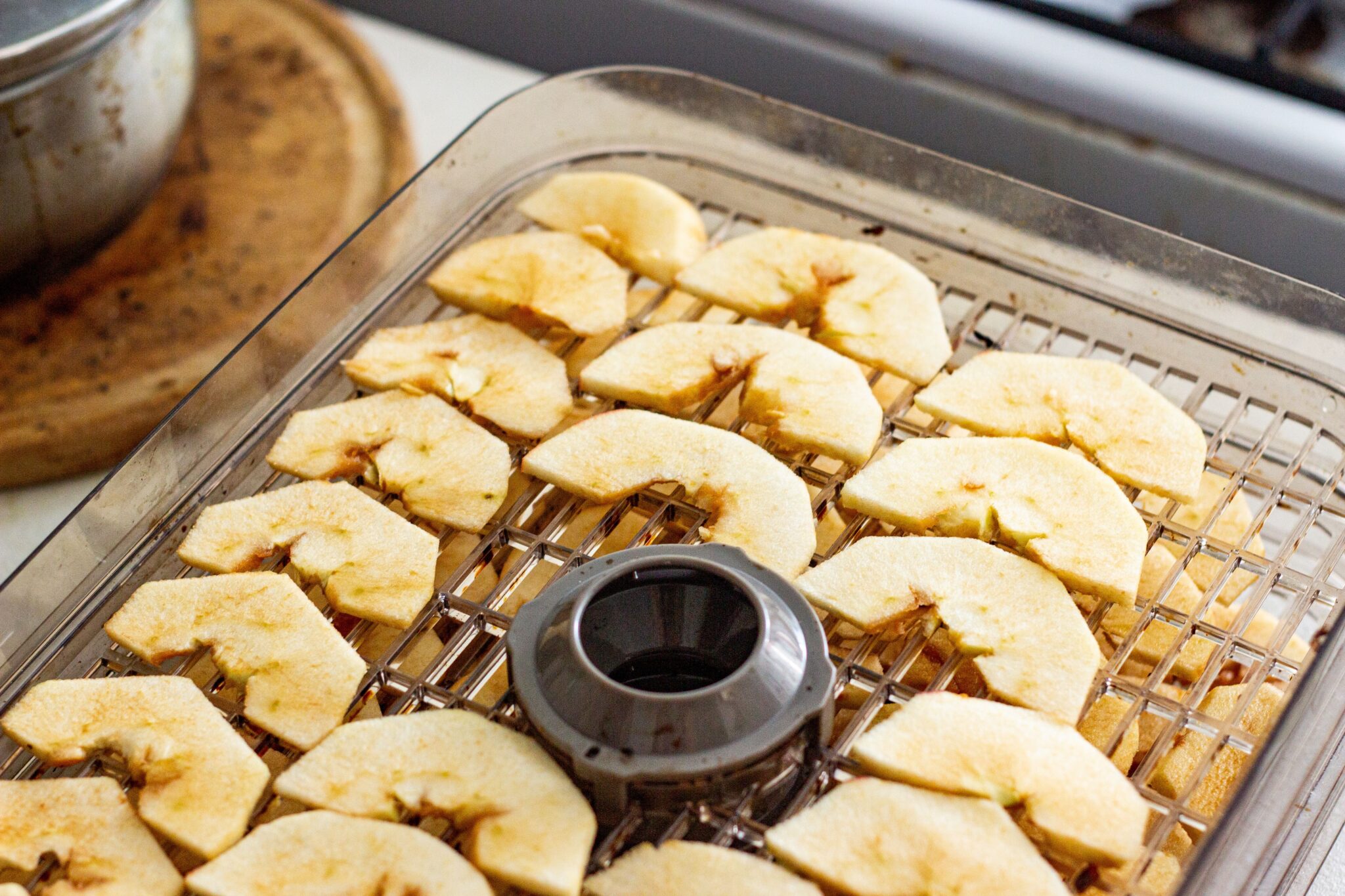
Uniform pieces dry at roughly the same rate. Slice vegetables and fruit thinly and evenly, and cut meat into small pieces. If you’re dehydrating a complete meal, try to keep the ingredients relatively similar in size so you don’t end up with some pieces crunchy while others remain moist.
Don’t overload the trays
Spread food in a single layer, leaving a little space between pieces for air to circulate. Overcrowding slows drying and can result in unevenly dehydrated food. It’s tempting to cram everything in to save time, but good airflow is essential.
Blanch some vegetables first
Vegetables such as carrots, broccoli, beans and peas benefit from blanching before dehydration. Briefly cooking them in boiling water helps preserve colour, texture and flavour and can also make them easier to rehydrate later.
Choose lean meat
Fat doesn’t dehydrate well and can cause food to spoil more quickly. When making meals containing meat, choose lean mince or trim visible fat from meat before cooking and dehydrating. Cook meat thoroughly before it goes into the dehydrator.
Don’t forget seasoning
Dehydrating can concentrate flavours, but some meals can still taste a little bland after rehydration. Season your food before drying, and consider adding extra herbs, spices, stock powder or chilli. Remember that strong flavours can become even more pronounced, so experiment with small batches first.
Dry until there’s no moisture left
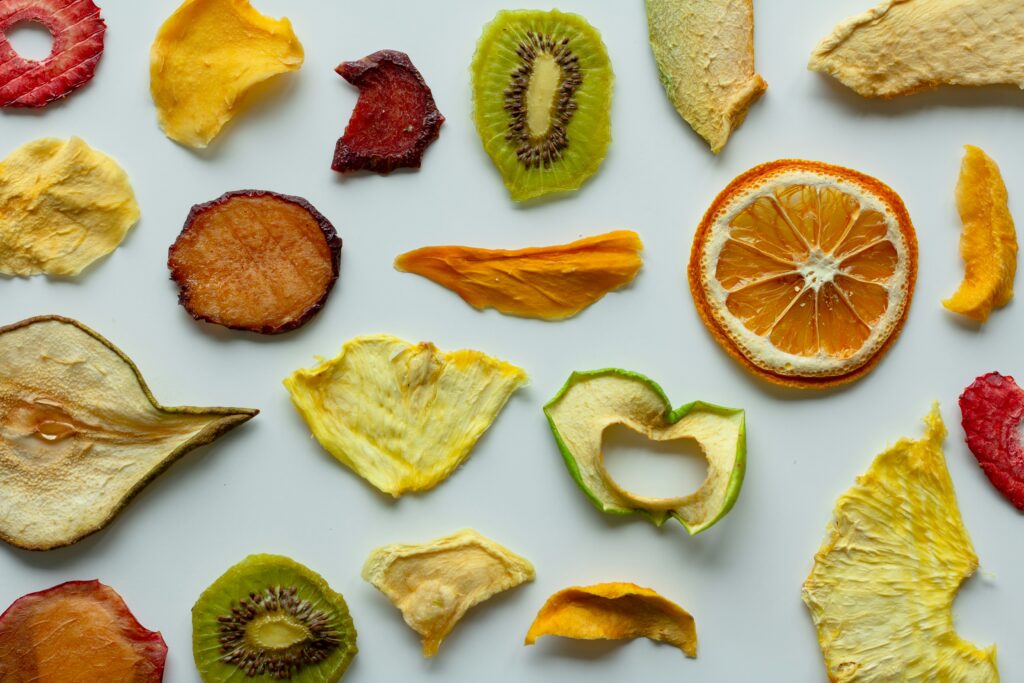
The goal is to remove as much moisture as possible. Food should be dry and leathery or brittle, depending on what you’re making, with no obvious damp spots. If in doubt, dry it for longer. Properly dried food is lighter and has a longer shelf life.
Let food cool before packing
Once dehydration is finished, allow the food to cool completely before packaging. Packing it while warm can create condensation inside the bag, adding moisture and potentially encouraging mould. This small step can make a big difference to storage life.
Package meals in individual portions
Divide your food into meal-sized portions and store each one in a sealed bag or container. Label each packet with the contents, serving size and rehydration instructions. A permanent marker is your friend – especially when every meal starts looking suspiciously similar after several days on the trail.
Test meals before your trip
Never make your first dehydrated meal on the eve of a major hike. Try it at home first and experiment with water quantities, soaking times and cooking methods. You’ll discover what works for you and can adjust the recipe before relying on it several days into a remote walk.