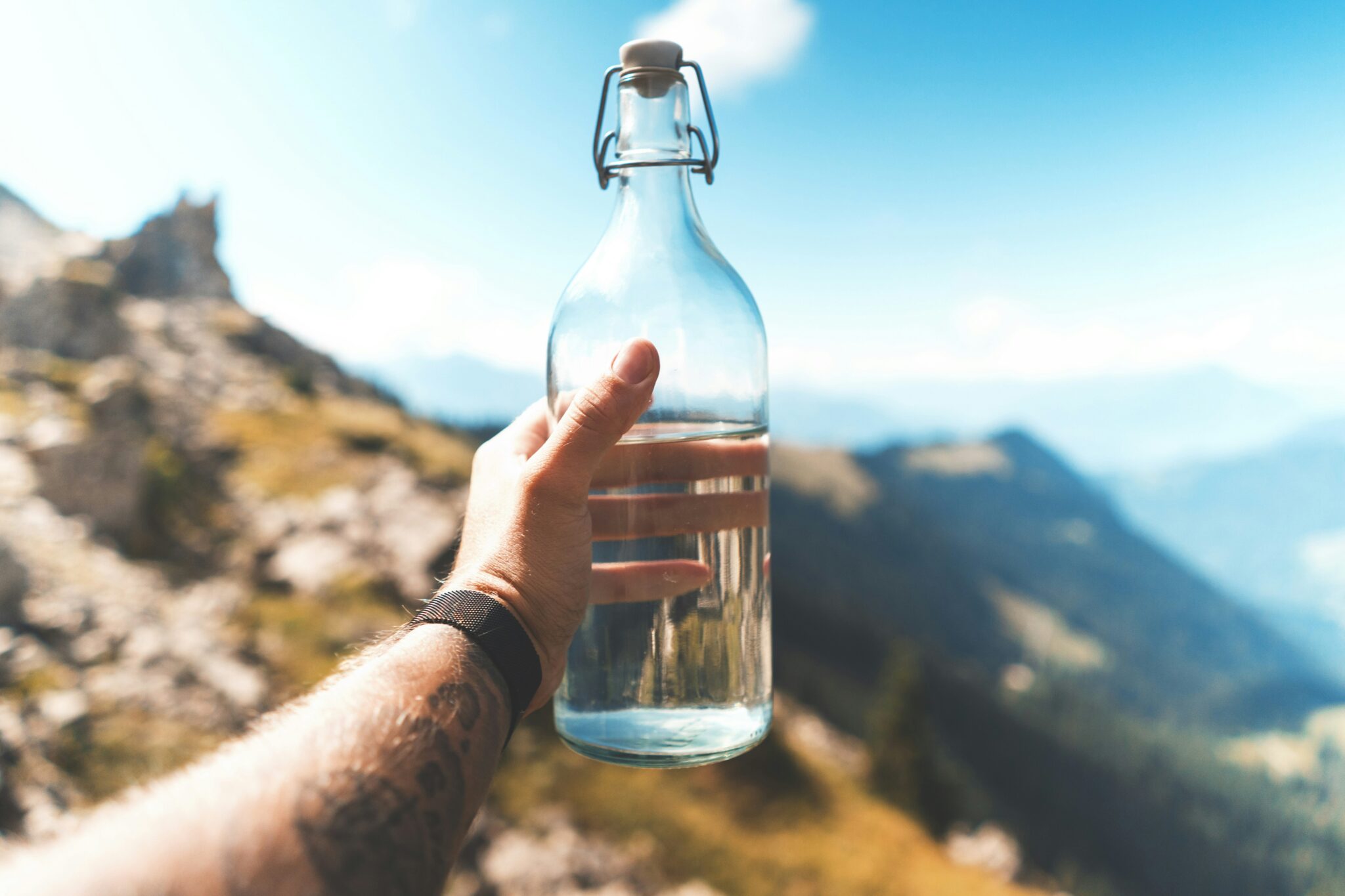
Sick hikers rescued after drinking river water in Scotland
Let that be a lesson to you all!
A Scottish mountain rescue team is reminding hikers never to assume that clear-looking water is safe to drink after two walkers on the West Highland Way became seriously ill.
Lomond Mountain Rescue was called to two separate incidents within a week after a German and an American walker suffered severe vomiting after drinking from a stream near Conic Hill.
Both are believed to have filtered the water using portable devices, yet still became unwell, prompting fresh warnings to use only bottled water or trusted drinking sources such as public water fountains.
The message is equally relevant for Australian bushwalkers. Crystal-clear streams and fast-flowing rivers may appear pristine, but they can harbour harmful bacteria, viruses and parasites including Giardia and Cryptosporidium. These microscopic organisms can cause severe stomach cramps, diarrhoea, vomiting and dehydration.
Contamination can come from wildlife, livestock, human activity or decaying vegetation upstream, while heavy rain can wash sediment, chemicals and pathogens into waterways. Because many contaminants are invisible and have no smell or taste, it is impossible to judge whether water is safe simply by looking at it.
Drinking untreated water can quickly ruin a hiking adventure and, in some cases, lead to hospital treatment. Carrying an effective water treatment system and using reliable water sources remain the safest ways to avoid waterborne illness in the outdoors.
Three ways to filter or treat your water
Water filters: Lightweight pump, squeeze or gravity filters remove sediment, bacteria and protozoa. Choose a filter with a pore size of 0.1–0.2 microns for backcountry use.
Boiling: Bring water to a rolling boil for at least one minute (or three minutes above 2,000m) to kill bacteria, viruses and parasites.
Purification tablets or drops: Chlorine dioxide tablets or liquid treatments are compact, easy to carry and effective against most waterborne pathogens, although they require a waiting period before the water is safe to drink.